 Purerock
usage
Shilajit Benefits: What the Evidence Actually Shows
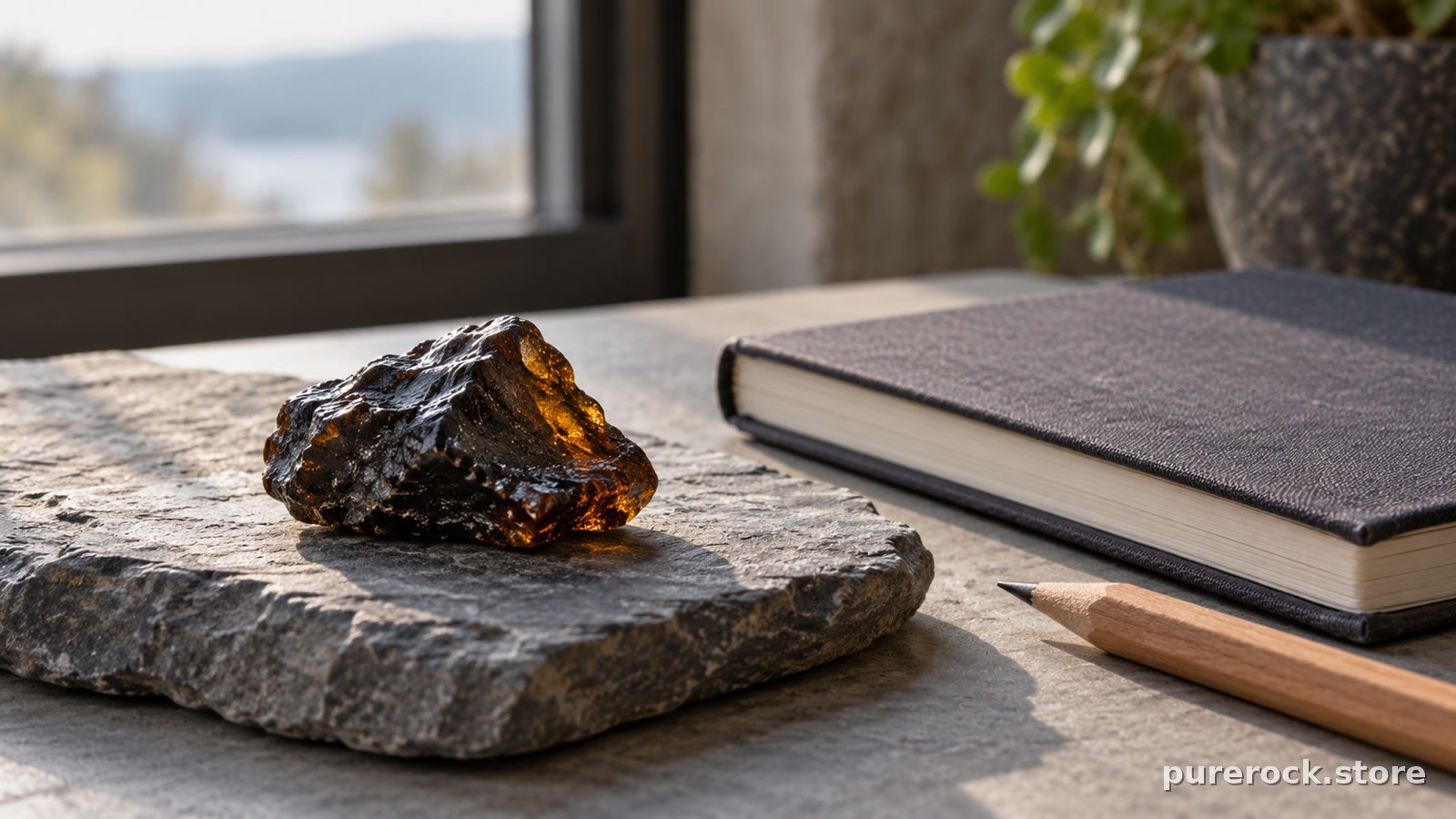
The benefits of shilajit that have human trial data are narrow: testosterone in middle-aged men, strength retention after hard exercise, bone density in postmenopausal women, and fracture healing time. Most other popular claims, including energy, brain health, immunity and skin, rest on animal studies, lab work or tradition. This page grades each claim so you can see which is which.
Key Takeaways
- Four claims have at least one randomized, placebo-controlled human trial: testosterone, post-exercise strength, bone density, and tibial fracture healing. Each rests on one or two small trials.
- Energy and fatigue are mostly supported by rat studies and one small uncontrolled human pilot. No placebo-controlled trial has made fatigue its main outcome.
- Skin: one small human study measured skin blood flow and gene activity in women. No trial that we found measured wrinkles, hydration or acne.
- Cognition, immunity, altitude tolerance, iron levels and “detox” have animal data, lab data, tradition or no data at all.
- Most of the human research uses specific standardized extracts, and some was funded by the extract’s manufacturer. Results may not carry over to an untested jar of resin.
How to Read the Grades
Every claim below gets one of six grades. They are ordered from strongest to weakest.
| Grade | What it means |
|---|---|
| Human RCT | People randomly assigned to shilajit or placebo, outcome measured. Still small here (35 to 160 people), but the strongest tier available. |
| Human small | Human data without a proper control: an open-label pilot, a before-and-after study, or a biomarker-only trial. |
| Animal | Rodents or other animals. Often a poor predictor of what happens in people. |
| Lab | Cells, test tubes, chemistry. Shows plausibility, not benefit. |
| Tradition only | Used in Ayurvedic or Central Asian practice. Tells you what people believed, not what works or at what dose. |
| No data | We found no study on the claim in PubMed. |
The Claim-by-Claim Evidence Map
This table covers the benefits you will see most often. We searched PubMed for each claim and verified every study cited.
| Claimed benefit | Best available grade | What exists |
|---|---|---|
| Testosterone in healthy middle-aged men | Human RCT | Pandit et al., 2016: 250 mg twice daily for 90 days, men 45-55 |
| Muscle strength after fatiguing exercise | Human RCT | Keller et al., 2019: 8 weeks, 63 young men, effect at 500 mg/day only |
| Bone density in postmenopausal women | Human RCT | Pingali & Nutalapati, 2022: 48 weeks, 60 women with osteopenia |
| Fracture healing time | Human RCT | Sadeghi et al., 2020: 160 patients with tibia fractures, Iran |
| Collagen synthesis marker | Human RCT (biomarker only) | Neltner et al., 2024: 35 young men, serum pro-C1α1 |
| Sperm count in men with low counts | Human small | Biswas et al., 2010: no placebo group, 28 completers |
| Fatigue and “energy” | Human small, animal | Open-label pilot (n=25) and a rat swim-stress study |
| Skin health | Human small | Das et al., 2019: skin blood flow and gene activity in women, not appearance |
| Cholesterol and blood fats | Human small, animal | Sharma et al., 2003 (30 volunteers); mixed-ingredient RCT cannot isolate shilajit |
| Memory and brain health | Lab, animal | Reviews of fulvic acid and tau research; rodent studies |
| Immune support, antioxidant power | Animal, contested | A 2011 review called immune claims unproven |
| Altitude sickness and hypoxia | Tradition only | A 2010 review proposes it; we found no trial |
| Iron and anemia | No data | No human study surfaced in our search |
| Joint pain and osteoarthritis | No data (human) | Only materials-science and cell work turned up |
| Women’s health beyond bone and skin | No data | No trials on PMS, menopause symptoms or cycles |
| “Detox,” “85+ minerals,” “works in days” | No data | Marketing language |
Two things stand out. The trials enrolled specific groups (healthy men, young athletes, postmenopausal women), not the typical person buying resin. And the most advertised benefit, general energy, has the thinnest controlled evidence.
Testosterone and Male Vitality
This is the best-known claim and the one with the most direct trial support. Pandit et al. (2016, Andrologia) randomized healthy men aged 45 to 55 to 250 mg of purified shilajit twice daily or placebo for 90 days. The abstract reports significant increases in total testosterone, free testosterone and DHEAS compared with placebo, while LH and FSH were maintained. The trial is on PubMed. The abstract gives no sample size, effect size or funding details, and we could not access the full text, so we do not quote any.
An increase in a blood hormone is not the same as feeling or performing better, and the trial was not designed to measure symptoms. A deeper look at the numbers, what “normal” ranges mean, and the “size” myth is in our shilajit and testosterone page. The wider picture for men, including sexual health and fatigue, is in shilajit benefits for men.
Energy, Fatigue and Physical Performance
Two lines of evidence get blended together here, and they should be kept apart.
Strength and fatigue in exercise (RCT). Keller et al. (2019, Journal of the International Society of Sports Nutrition) assigned 63 recreationally active young men to 250 mg, 500 mg or placebo daily for eight weeks, then had them do a fatiguing leg exercise protocol. In the half of participants with higher baseline strength, the 500 mg group lost less maximal strength (8.9% decline versus about 16% for placebo and 17% for the 250 mg group). Baseline hydroxyproline, a collagen-breakdown marker, was also lower at 500 mg. The 250 mg dose did no better than placebo. PubMed. The project was funded by the extract’s manufacturer, though the authors declared no competing interests.
Subjective fatigue (small, uncontrolled). A 2026 pilot in Cureus (Yadav et al.) gave 500 mg/day of a resin product to 25 healthy men for 28 days, with no placebo group. Scores on the Fatigue Severity Scale fell 32%, alongside improvements in strength and endurance. Without a control group, expectation and ordinary training effects cannot be separated from the supplement. PubMed.
Animal. Surapaneni et al. (2012, Journal of Ethnopharmacology) gave rats processed shilajit for 21 days around a forced-swim stress protocol. The animals showed less immobility and protected mitochondrial function in the prefrontal cortex. PubMed. That is a mechanism worth studying, not proof of “cellular energy” in people.
Bone and Joint Health
Bone density. Pingali and Nutalapati (2022, Phytomedicine) randomized 60 postmenopausal women aged 45 to 65 with osteopenia to placebo, 250 mg or 500 mg of a standardized aqueous extract for 48 weeks. Bone mineral density at the lumbar spine and femoral neck declined in the placebo group and was dose-dependently attenuated in both shilajit groups. Markers of bone turnover, oxidative stress and inflammation also moved in the same direction. PubMed. Sponsorship is not stated in the abstract, there were about 20 women per group, and the abstract reports no fracture outcomes.
Fracture healing. Sadeghi et al. (2020, Journal of Alternative and Complementary Medicine) ran a randomized, double-blind trial in three Tehran hospitals. 160 adults with new tibial fractures received two 500 mg capsules of momiai (the Persian name for shilajit) or placebo for 28 days. Mean time to bone union was 129 days versus 153 days (p < 0.049, a borderline result) with no difference in reported adverse effects. PubMed. Nothing here suggests skipping standard fracture care.
Joints. We found no human trial of shilajit for joint pain or osteoarthritis, only cell studies and materials work.

Fertility and Sperm Parameters
Biswas et al. (2010, Andrologia) gave 100 mg of processed shilajit twice daily for 90 days to men with sperm counts under 20 million per mL. Of 35 enrolled, 28 finished. Compared with their own baseline, total sperm count rose 61.4% and serum testosterone 23.5%. PubMed. There was no placebo group, and the abstract does not report pregnancies. Sperm counts also fluctuate on their own, so this is a signal worth testing properly, not a result to rely on.
Skin: What Exists and What Does Not
“Shilajit for skin” is a popular search, and the honest answer is that very little human skin research exists.
The one human study we found with skin as its focus is Das et al. (2019, Journal of the American College of Nutrition). Healthy adult women took 125 mg or 250 mg twice daily for 14 weeks. Skin biopsies showed activity changes in genes related to blood vessel growth and the extracellular matrix, and at the higher dose skin microperfusion (blood flow) improved versus baseline or placebo. It enrolled 45 women aged 30 to 65 (15 per group), and the extract and part of the funding came from its manufacturer. The abstract reports no adverse effects. PubMed. That is a physiological signal. It did not measure wrinkles, elasticity, hydration, pigmentation or acne, and it does not show that skin looks better.
Related is Neltner et al. (2024, Journal of Dietary Supplements), in which 35 young men took 500 mg, 1,000 mg or placebo for eight weeks. Serum pro-C1α1, a marker of type 1 collagen synthesis, rose in both shilajit groups but not placebo. PubMed. Type 1 collagen matters for skin, but this trial was in men, measured blood rather than skin, and was biomarker-only.
“Shilajit boosts collagen for glowing skin” stitches together a blood marker and gene expression data. Nothing we reviewed supports a promise about appearance, and we found no human data on topical use.
Cardiovascular and Blood Fats
Sharma et al. (2003, Ancient Science of Life) reported that 2 g of shilajit daily for 45 days in healthy volunteers did not change blood pressure or pulse, while triglycerides and total cholesterol fell and HDL rose. PubMed. Per the open full text it was a double-blind, placebo-controlled study of 30 healthy volunteers aged 16 to 30 (20 on shilajit, 10 on placebo), so it is tiny and not a trial in people with high cholesterol.
A 2025 Nutrients RCT (Martinez et al.) reported some evidence (p < 0.05 or only approaching significance) of lipid and vascular-marker changes, but participants took chromium and amla extract alongside only 6 to 12 mg of shilajit, in a diet-and-exercise program, and the funder was a supplement ingredient company. PubMed. Shilajit’s contribution cannot be isolated. For blood pressure specifically, see shilajit and blood pressure.
Women’s Health
Beyond the bone and skin studies above, there is no trial of shilajit for menstrual symptoms, menopause symptoms, PCOS or pregnancy. Pregnancy and breastfeeding are unstudied. The evidence for women, and the caution it calls for, is laid out in shilajit for women.
Claims That Rest on Animals, Labs or Tradition
Cognition. Carrasco-Gallardo et al. (2012, International Journal of Alzheimer’s Disease) reviewed the procognitive potential of shilajit, centered on fulvic acid’s effect on tau protein in laboratory systems. PubMed. A 1997 rat study (Schliebs et al.) looked at cholinergic markers. PubMed. No human trial of memory or cognition turned up.
Immunity and antioxidant claims. A 2011 review in the Journal of Ethnopharmacology (Wilson et al.) found that in-vivo antioxidant work had used “an irrelevant dose” without a positive control, and that immunomodulatory activity “currently may be considered as unproven.” PubMed. A 2014 review (Stohs, Phytotherapy Research) was more favorable but called for more well-controlled human studies. PubMed.
Altitude and hypoxia. A 2010 review in the International Journal of Ayurveda Research (Meena et al.) proposed shilajit as a supplement for high-altitude problems. PubMed. It was a narrative review, and we found no controlled trial of shilajit at altitude.
Iron and anemia. We found no human study of shilajit and iron status or anemia.

Who Funded the Research, and Why It Matters
Several positive human findings come from the same family of standardized extracts. The strength-retention trial was funded by the extract’s manufacturer, the skin study was supported in part by the same company, and we could not read the testosterone trial’s funding statement. Industry involvement does not make a result wrong, but we found no independent replication of these findings. Where sponsorship is not stated in an abstract, we say so rather than guess.
Safety Context Before You Chase Benefits
Benefits only matter if the product is clean. Raw shilajit can carry heavy metals, and a 2025 BMC Chemistry study (Kamgar et al.) found thallium in commercial supplements, in some cases above raw samples. Full text. Batch-specific lab results matter; our guide to spotting fake shilajit explains what to look for. Adverse effects, drug interactions and who should avoid it are covered in shilajit side effects. If you take medication, have a chronic condition, are pregnant or breastfeeding, talk to a doctor before starting.
What “Benefits” Looks Like in Practice
Read the table as a map of where the evidence is, not a promise. If you try shilajit anyway, choose a goal a trial actually measured and judge the result against a baseline rather than a feeling. Most controlled trials used 250 to 500 mg per day and ran from 28 days to 48 weeks. For timelines see how long shilajit takes to work, and for the dose ranges by format see the dosage guide. For a verdict on whether the findings add up to “it works,” read does shilajit work.
FAQ
What are the main benefits of shilajit?
The ones with randomized human trial data are higher testosterone in healthy men aged 45 to 55, better strength retention after fatiguing exercise at 500 mg/day, slower bone density loss in postmenopausal women with osteopenia, and shorter tibial fracture healing time in one Iranian trial. Each rests on one small trial, often with manufacturer involvement.
Is shilajit good for you?
For most healthy adults taking a tested product, the short trials reported no serious adverse events. Long-term safety is not well studied, and contamination with heavy metals is the main practical risk. People on medication or who are pregnant should ask a doctor first.
Does shilajit have benefits for skin?
There is little human evidence. One study in healthy women reported better skin blood flow and changes in gene activity after 14 weeks, but it did not measure wrinkles, hydration or acne. Claims about glowing or younger-looking skin go beyond the data.
What does shilajit do for energy?
No placebo-controlled trial has made energy the main outcome. A small uncontrolled pilot reported lower fatigue scores over 28 days, and a rat study found protected mitochondrial function. Both are suggestive, neither is proof.
Which shilajit benefits are marketing only?
“Detox,” “85+ minerals,” “works in days” and “boosts every system” have no study behind them. Iron and anemia, joint pain and women’s cycle claims also have no data that we could find.
Bottom Line
The benefits of shilajit are real in a narrow sense and overstated in a broad one. A few small randomized trials reported changes in testosterone, post-exercise strength, bone density and fracture healing, while energy, skin, brain and immune claims lean on animals, labs, tradition or nothing. Pick the claim you care about, check its grade, and keep expectations proportional. Product quality matters as much as the science, so verify the jar and bring your doctor into the decision.