 Purerock
safety
Shilajit Gummies Side Effects: What to Know First
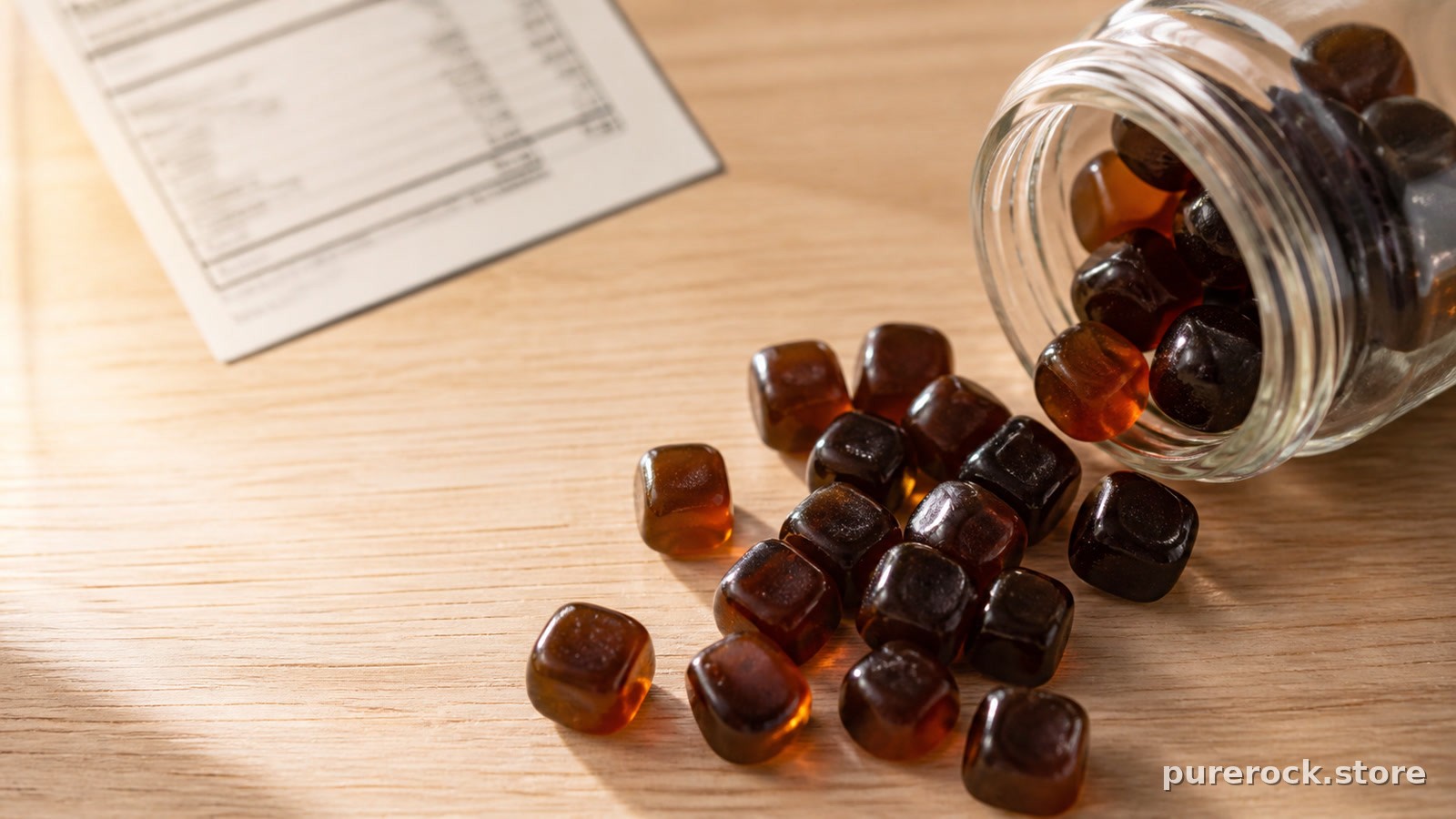
Gummies are, by design, the most palatable way to take shilajit — which is exactly why they raise a different set of safety considerations than resin or capsules do. A bitter, tarry resin is largely self-limiting: most people aren’t tempted to eat “just one more pea-sized scoop” because it doesn’t taste good. A fruit-flavored, chewy gummy doesn’t have that built-in brake. This page focuses specifically on the side-effect considerations that come from the gummy format itself — the sugar, the gelling agents, the flavorings, and the ease of overdoing it — rather than repeating general shilajit safety information you can find elsewhere. None of this is medical advice, and it isn’t a substitute for talking to a healthcare provider about your own situation.
Key Takeaways
- Most “gummy-specific” side effects come from the sweeteners, gelling agents, and flavoring around the shilajit extract, not the shilajit itself.
- Reaching a labeled dose often means eating two or more gummies, which can mean more added sugar than people expect from a “supplement.”
- Sugar alcohols in low-sugar formulations can cause bloating, gas, or a laxative effect independent of shilajit.
- Gummies remove the natural taste-based brake that keeps resin self-limiting, which raises real overconsumption risk — treat the labeled serving as a hard limit.
- Store gummies out of easy snacking reach and away from children, the same way you would any supplement or medication.
- Stop use and talk to a healthcare provider if you notice a reaction, and bring the full ingredient label, not just “shilajit gummies,” to that conversation.
Why Gummies Raise Different Questions Than Resin or Capsules
Resin is essentially just purified shilajit exudate. Capsules are shilajit extract plus a filler and a shell. Gummies are shilajit extract suspended inside a much larger matrix of sweeteners, gelling agents, acids, and flavoring — often making up the majority of the gummy’s actual mass. That matrix is what most people are reacting to when they report a “gummy-specific” side effect, not the shilajit itself. If you’re evaluating whether a product is even worth trying in the first place, our gummies buying guide covers how to read a label for quality; this page covers what can go wrong once you’re already taking them.
It’s worth being explicit about why this distinction matters in practice. If someone takes a resin dose and later develops mild stomach upset, there’s really only one variable to consider: the shilajit extract itself, at whatever dose and purity level it happens to be. If someone takes a gummy and develops the same symptom, there are now half a dozen candidate causes — the extract, the sugar or sugar alcohol, the gelling agent, the citric acid, the flavoring compound, and the coloring agent, plus the total quantity consumed if more than one gummy was taken. None of this means gummies are inherently riskier than other formats; it means troubleshooting a reaction requires looking at the whole ingredient panel rather than assuming the shilajit is automatically to blame.

Sugar Content and Blood Sugar Considerations
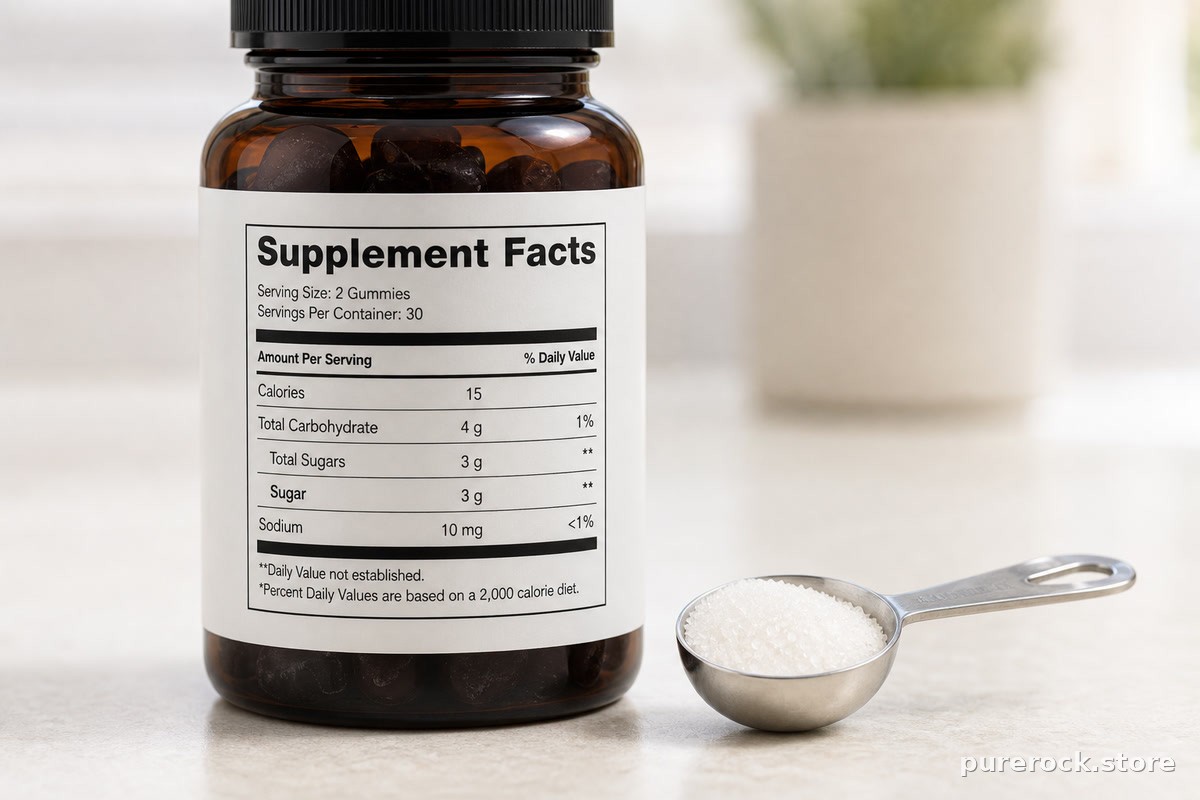
Most shilajit gummies use some form of sugar, glucose syrup, or sugar alcohol as the base of the gummy itself, separate from whatever active shilajit extract is included. A single gummy’s sugar content is usually modest, but two things push it higher than people expect:
- Reaching an effective dose often means multiple gummies. If a label recommends two gummies daily to deliver a meaningful amount of extract, and each gummy contains several grams of sugar, the daily sugar total from “one supplement” can add up in a way that’s easy to overlook because it’s framed as a health product rather than a candy.
- Sugar alcohols (sorbitol, xylitol, maltitol) used in some “sugar-free” gummies carry their own digestive caveat — see below — so avoiding regular sugar isn’t automatically a side-effect-free swap.
For anyone managing blood sugar, prediabetes, diabetes, or simply trying to limit added sugar intake, it’s worth treating a bottle of shilajit gummies the way you’d treat any other gummy supplement: check the total sugar per serving, not just the “shilajit content,” and factor it into your daily intake the same way you would a vitamin gummy or a piece of candy. This is a consideration that doesn’t apply to resin or capsules at all, which is part of why it belongs on a gummies-specific page rather than a general shilajit side-effects discussion.
A practical way to think about it: a label that lists “2 gummies daily” as the serving size, with 3 grams of sugar per gummy, means 6 grams of added sugar a day from the supplement alone — before counting anything else in your diet. That’s not a large amount in isolation, but it’s also not zero, and it’s easy to overlook precisely because the product is marketed and shelved as a wellness item rather than a treat. If you’re already tracking carbohydrate or sugar intake for a medical reason, it’s worth reading the supplement facts panel with the same scrutiny you’d apply to a food label, and discussing any new supplement with the healthcare provider managing that condition.
Digestive Sensitivity to the Gummy Base
The gelling agent that gives a gummy its chew — typically gelatin (animal-derived) or pectin (plant-derived, used in vegan formulations) — is generally well tolerated, but it isn’t inert for everyone:
- Gelatin-based gummies are occasionally reported to cause mild digestive discomfort in people with sensitivities to animal-derived gelatin, or in people avoiding it for dietary reasons who take it unknowingly. Always check whether a product uses gelatin or a plant-based gelling agent if this matters to you — our vegan shilajit gummies guide covers what to look for in pectin-based alternatives.
- Pectin and fiber-based gummies, especially in higher quantities, have occasionally been associated with mild bloating or gas in people with sensitive digestion, since pectin is a soluble fiber that can ferment in the gut.
- Citric acid, commonly used for tartness and as a preservative, can be a mild irritant for people with acid reflux or a sensitive stomach, particularly if multiple gummies are taken on an empty stomach.
- Sugar alcohols, when used in “low sugar” formulations, are well documented to cause bloating, gas, or a laxative effect in some people when consumed in more than small amounts — this effect is unrelated to shilajit itself and comes entirely from the sweetener choice.
None of these reactions are unique to shilajit gummies specifically — they’re generic gummy-supplement considerations — but they’re worth naming explicitly because people often assume any digestive discomfort after taking a shilajit product must be “the shilajit,” when it may instead be the base ingredients around it.
If you experience digestive discomfort after switching between shilajit formats — say, from resin to gummies — that timing itself is a useful clue. Discomfort that appears only after the switch, and not before, points toward the gummy base rather than the shilajit extract, since the extract is present in both formats. Keeping a brief note of what you took, how much, and how you felt for the first week or two of a new product can make it much easier to identify a specific ingredient if a reaction does occur, rather than guessing after the fact.
Artificial Coloring and Flavoring Reactions
Many gummy supplements, including some shilajit gummies, use artificial or natural flavoring compounds and coloring agents to mask the earthy, mineral taste of shilajit extract and make the product more palatable. A small subset of people report mild sensitivity to specific dyes or flavoring compounds — symptoms like mild skin flushing, headache, or digestive upset that resolve when the product is stopped. This is not specific to shilajit and mirrors reactions some people report to other flavored or colored gummy supplements and candies generally. If you have a known sensitivity to artificial dyes or flavors, checking the full ingredient list — not just the “shilajit extract” line — is a reasonable precaution before trying a gummy product.
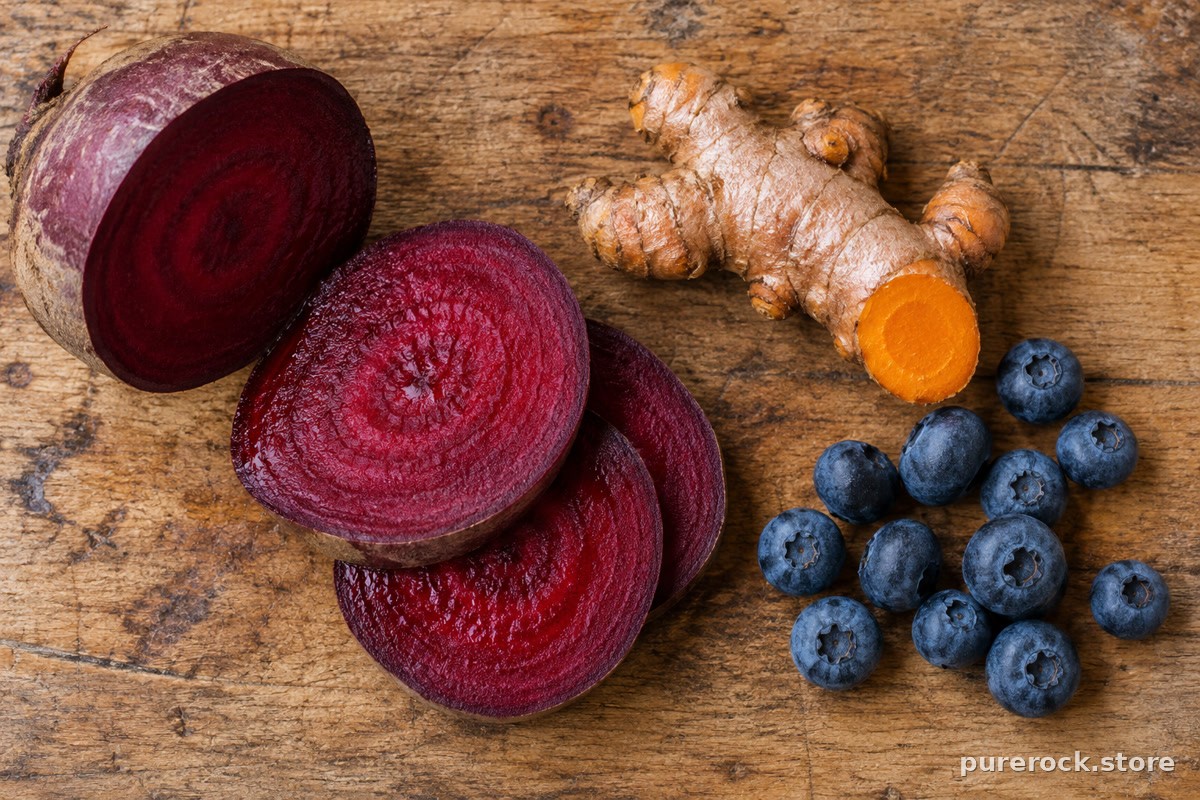
Some manufacturers use natural fruit or vegetable extracts (beet juice, turmeric, fruit concentrates) for color instead of synthetic dyes, and natural flavoring instead of artificial flavor compounds. These aren’t automatically free of reaction risk either — natural doesn’t mean hypoallergenic — but people who specifically react to synthetic dyes sometimes tolerate naturally colored versions better. If coloring or flavoring sensitivity is a known issue for you, this is a reasonable detail to compare between products, alongside sugar content and gelling agent, before choosing one.
The Overconsumption Risk That’s Specific to Gummies
This is arguably the most important gummies-specific consideration on this page. Shilajit resin is bitter, sticky, and generally unpleasant to overeat — the format itself discourages taking more than the intended amount. Gummies remove that natural limiter entirely. Because they taste like candy, it’s mechanically easy to take an extra gummy “just because,” especially for anyone used to snacking on gummy vitamins or treats.
A few practical considerations follow from this:
- Treat the labeled serving size as a hard limit, not a suggestion, precisely because the format doesn’t self-regulate the way resin does. Our dosage guide covers commonly cited gummy serving ranges if you want a general reference point before you buy.
- Keep gummies out of easy snacking reach, the same way you’d store any supplement you don’t want to absentmindedly take extra of — a countertop candy dish is not the right storage location for a shilajit product.
- Be especially cautious with gummies in households with children, since a fruit-flavored gummy in an unlabeled or easily accessible container is difficult for a child to distinguish from candy. Store shilajit gummies the way you would any supplement or medication — out of reach, in original packaging with labeling intact.
- Taking more gummies than recommended doesn’t necessarily deliver a proportionally larger “dose”-related benefit — it primarily increases exposure to the added sugar, gelling agents, and any other side-effect-relevant ingredients discussed above, on top of whatever general shilajit-related effects (see below) can occur at higher intake.
Worth noting: overconsumption of gummies is a documented issue with other gummy supplement categories too — vitamin gummies, melatonin gummies, and fiber gummies are commonly cited examples where “candy-like” format leads to people accidentally taking multiples of the labeled serving. Shilajit gummies fall into this same general pattern; there’s nothing about shilajit itself that makes this risk larger or smaller, but it’s a real factor to plan for when you first bring a bottle into your home, not something to figure out after the fact.

General Shilajit Considerations That Still Apply
Separate from anything specific to the gummy format, general considerations that apply to shilajit in any form are still relevant when you’re taking it as a gummy — this page isn’t meant to be a comprehensive rundown of those (our dosage guide is the better starting point for general serving guidance), but a few are worth a brief mention here since they can compound with gummy-specific factors above:
- Shilajit is a mineral-derived substance, and product quality/purity varies significantly by sourcing and processing — see our guide to identifying pure shilajit if you haven’t already vetted a specific product.
- People who are pregnant, nursing, managing an existing health condition, or taking medication should talk to a healthcare provider before starting any shilajit product, gummies included, given the potential for mineral content and interactions that a general blog post isn’t positioned to evaluate for your specific situation.
- General digestive upset, headache, or general unease are the kinds of reactions commonly cited as “reduce or reassess” signals across many supplements, shilajit included — not diagnostic signs of anything specific.
- Extract concentration and standardization vary between brands, so a “gummy” from one manufacturer and a “gummy” from another may deliver meaningfully different amounts of active shilajit compounds per piece even at the same serving count — another reason to follow the specific product’s label rather than a general rule of thumb.
- New supplements can occasionally interact with existing medications or health conditions in ways that aren’t obvious from the ingredient list alone, which is why checking with a provider before starting is a more reliable step than researching interactions yourself.
FAQ
Are shilajit gummies less safe than shilajit resin or capsules? Not inherently — the shilajit extract itself carries the same general considerations regardless of format. Gummies simply add extra variables (sugar, gelling agent, flavoring, coloring) that resin and capsules don’t have, which is why reactions can be a bit harder to pin down to a single cause.
Can I take shilajit gummies if I have diabetes or am watching my blood sugar? This is a conversation to have with your healthcare provider, since it depends on your specific situation and the sugar content of the particular product. At minimum, check the total sugar per serving on the label and factor it into your daily intake the same way you would any other sugar-containing product.
What should I do if I think I took too many shilajit gummies? Stop taking more and monitor how you feel. Mild digestive discomfort is the most commonly reported effect of overconsumption and typically resolves on its own. If you experience anything more serious — difficulty breathing, significant swelling, severe abdominal pain — seek medical attention rather than waiting it out.
Are sugar-free shilajit gummies a safer choice? They avoid the added-sugar consideration, but many “sugar-free” formulations use sugar alcohols instead, which can cause their own digestive side effects (bloating, gas, a laxative effect) if you eat more than a small amount. Neither option is automatically “safer” — it depends on which trade-off matters more for your situation.
How do I know if a reaction is from the shilajit or from the gummy itself? There’s no way to know for certain without more information, but the full ingredient label is the starting point: a healthcare provider can help narrow down whether a symptom pattern is more consistent with the shilajit extract, the gelling agent, the sweetener, or a flavoring/coloring compound. Bringing the product’s packaging to that conversation, rather than describing it from memory, makes this easier.
When to Stop and Talk to a Doctor
Because gummies combine shilajit extract with several additional ingredients that each carry their own side-effect profile, it can be harder to pin down what’s actually causing a reaction than it would be with plain resin. As a general precaution:
- If you notice digestive discomfort, bloating, headache, skin reactions, or any symptom that concerns you after starting a shilajit gummy product, stop use and monitor how you feel.
- If symptoms persist after stopping, or if you experience anything more serious (difficulty breathing, significant swelling, severe abdominal pain), seek medical attention rather than waiting to see if it resolves on its own.
- When you do talk to a healthcare provider, bring the product’s full ingredient list and label — not just “I take shilajit gummies” — since the gelling agent, sweetener, and flavoring details can matter for narrowing down a cause.
- If you’re on medication or managing a condition and haven’t yet discussed shilajit with your provider, that conversation is worth having before continuing use, not after a reaction occurs.
Related Guides
- Shilajit side effects and safety: documented versus theoretical risks.
- Shilajit gummies: do they work?: the umbrella guide to the format.
- Does shilajit work?: a trial-by-trial verdict.
Bottom Line
Most of what makes shilajit gummies worth a dedicated side-effects discussion isn’t the shilajit — it’s everything else in the gummy. Added sugar can add up faster than expected when multiple gummies are needed to reach a labeled dose. Gelatin, pectin, citric acid, and sugar alcohols in the gummy base can cause mild digestive reactions in sensitive individuals, independent of the shilajit extract itself. Artificial flavoring or coloring can trigger reactions in a small subset of people. And because gummies taste pleasant rather than bitter, they carry a real risk of overconsumption that resin’s self-limiting taste doesn’t share. Treating the labeled serving size as a firm limit, checking the full ingredient panel (not just the shilajit content), and storing gummies out of easy snacking reach are the practical steps that address most of these considerations. As with any supplement, stop use and consult a healthcare provider if you experience symptoms that concern you, and talk to a provider before starting if you’re pregnant, nursing, on medication, or managing a health condition.