 Purerock
buying
Where to Buy Shilajit: Comparing Retail Channels
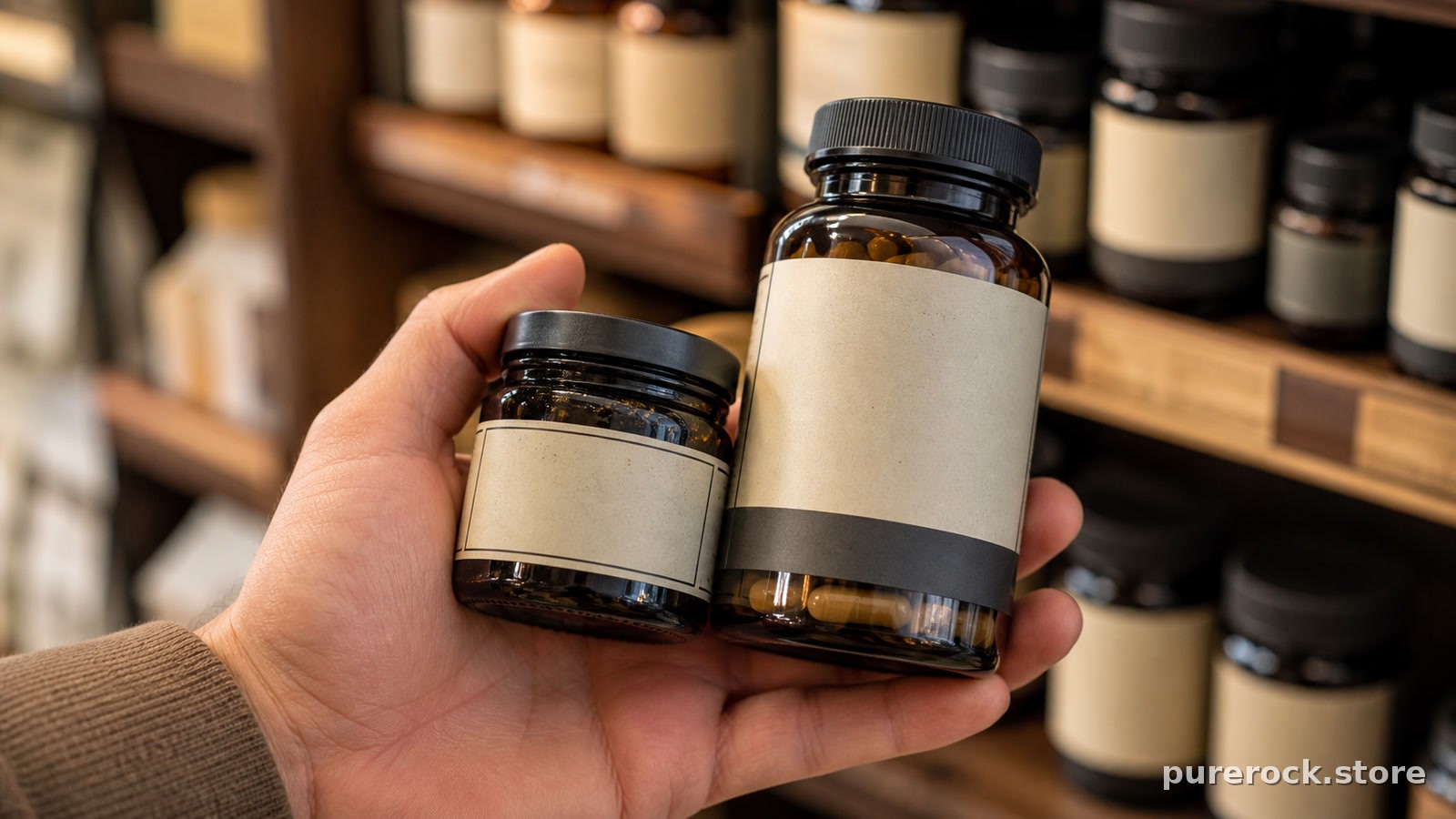
A lot of people searching for shilajit aren’t asking “which brand is best” — they’re asking a more basic question: where can I buy shilajit, and where do I even start looking? Health and supplement retail chains, pharmacies, online marketplaces, and brand websites are all legitimate answers, but they aren’t interchangeable. Each channel changes what you can verify before you hand over money, and for a product with a known adulteration risk, that difference matters more than it does for, say, a bottle of vitamin C.
This guide doesn’t rank or name specific stores. It breaks down the general categories of places shilajit gets sold, what each category structurally makes easy or hard to check, and the handful of things worth confirming regardless of which channel you use.
Key Takeaways
- The purchase channel changes what you can verify before buying, not just how convenient the purchase is — treat it as part of quality control, not just logistics.
- Physical retail lets you inspect packaging and seals in person but usually offers narrower selection and staff who can’t speak to lab testing.
- Online marketplaces offer the widest selection and most price competition, but listings can be fulfilled by multiple sellers, which weakens the link between reviews and the specific unit you receive.
- Buying direct from a brand’s own site maximizes traceability but concentrates all your trust in one company’s claims, with no retailer acting as an intermediate check.
- Regardless of channel, the same checklist applies every time: a stated return policy, visible expiration and batch dating, tamper-evident packaging, and a batch-specific Certificate of Analysis available on request.
- Price is a weak proxy for quality with shilajit specifically — genuine purification has a real cost floor, so unusually cheap listings deserve extra scrutiny rather than being treated as a deal.
Why the Channel Matters for Shilajit Specifically
Shilajit is a mineral-rich exudate harvested from rock strata and then processed into resin, powder, capsules, or gummies. Unlike a synthesized vitamin made to a fixed spec, its composition and purity depend heavily on where it was sourced and how carefully it was purified. That variability is also what makes it a target for adulteration — cheaper filler resins, uncontrolled heavy-metal content, or vague “Himalayan” sourcing claims that can’t actually be traced back to anything.
None of that is a reason to avoid shilajit. It’s a reason the purchase channel isn’t just a convenience decision — it’s part of your quality control, because different channels give you different amounts of information before you commit to a purchase.
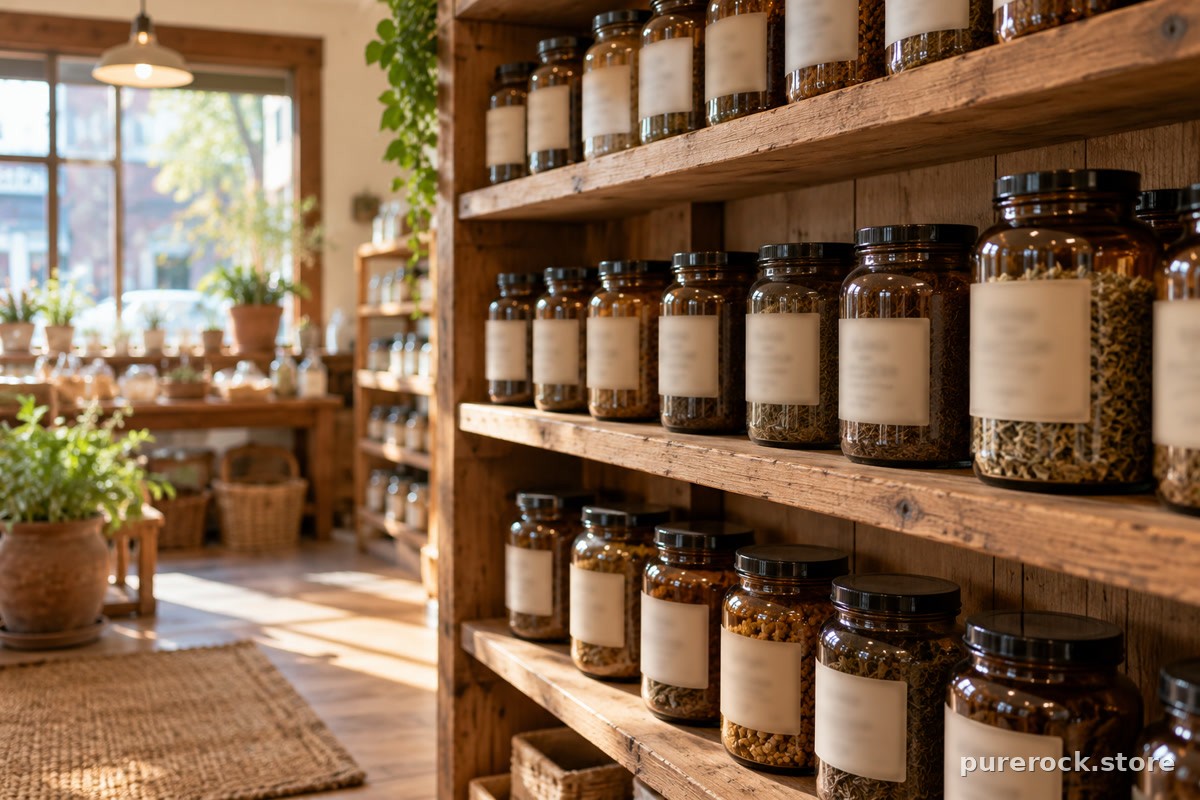
Where Can You Buy Shilajit? The Main Retail Channels
Health and Supplement Retail Chains
Brick-and-mortar and chain-website supplement retailers are one of the most common ways people first encounter shilajit, often through search terms that pair the ingredient with a specific store name. The structural advantage of this channel is physical inspection: you can pick up the bottle, read the label in full, check for a lot number, and look for tamper-evident seals before buying — something you can’t do with a product photo.
The tradeoff is selection and depth of information. A retail chain typically stocks a handful of shilajit SKUs chosen for shelf appeal and turnover, not necessarily the ones with the most rigorous testing behind them. Staff can usually tell you return policy and price, but rarely anything about a specific batch’s Certificate of Analysis (COA) or the sourcing chain behind the resin. You’re trading verification depth for the ability to physically inspect packaging before purchase.
There’s also a timing consideration that’s easy to overlook: shelf turnover varies a lot by store and by category. A fast-moving aisle means the product on the shelf is likely recent stock; a slow-moving specialty aisle can mean a bottle has sat there for months before it’s ever purchased. Since shilajit capsules and gummies contain binders and flavoring agents that can degrade over time, checking the printed date rather than assuming freshness from the retail setting is worth the extra ten seconds, even in a store you trust generally.
Pharmacies
Pharmacies sit in a similar category to general retail chains but with an added layer of regulatory oversight on the facility itself, even though shilajit as a supplement isn’t regulated the way a prescription drug is. The in-person inspection advantage carries over — you can check the label and packaging condition directly. The selection is usually even narrower than a dedicated supplement retailer, and pharmacy staff are generally not positioned to answer sourcing or lab-testing questions about a supplement, since that’s outside what pharmacists are trained or expected to vet.
One thing pharmacies do offer that other channels generally don’t is a built-in prompt to ask about drug interactions. Even though the pharmacist likely can’t speak to a specific shilajit product’s sourcing, they can flag whether shilajit or the minerals it contains might interact with a prescription you’re already taking — a conversation that’s harder to have organically when you’re checking out on a marketplace app. That’s a reason some people specifically choose a pharmacy for a first purchase even if the product selection is thinner than elsewhere.
Online Marketplaces
Large online marketplaces are the opposite tradeoff: enormous selection, competitive pricing, and the ability to compare dozens of listings in minutes. That breadth is also the risk. Marketplace listings are frequently created by third-party sellers, and the same product title can be fulfilled by multiple different sellers with different actual inventory behind it — meaning the reviews and ratings you see may not reflect the specific unit you’d receive. Counterfeit and mislabeled supplement listings are a well-documented problem on large marketplaces generally, and shilajit’s opacity as an ingredient (most buyers can’t visually distinguish real resin from a filler substitute) makes it a plausible target for that kind of listing manipulation.
None of this means marketplace purchases are inherently unsafe — plenty of legitimate brands sell through them. It means the marketplace listing itself gives you less structural assurance than the other channels, so the verification burden shifts more heavily onto you as the buyer.
A few marketplace-specific habits reduce that burden meaningfully. Checking the seller’s name (not just the product listing) and how long they’ve been operating gives you a rough proxy for accountability — a seller account created weeks ago with no order history carries more risk than one with years of consistent reviews across multiple products. Reading the negative reviews specifically, rather than the star average, tends to surface complaints about inconsistent texture, unusual smell, or packaging that doesn’t match photos — all early signals of a listing that’s being fulfilled inconsistently. It’s also worth checking whether the “reviews” are tied to the specific listing variant you’re buying, since some marketplace platforms merge reviews across product variants that may not be the same underlying item.
Amazon, Walmart and Other Big-Box Storefronts
Searches like “shilajit amazon” and “shilajit walmart” are common, and the underlying question is the same on any large storefront: who is actually shipping the item? On a big retailer’s site, the listing may be sold and fulfilled by the retailer itself, by a third-party seller, or by a seller using the retailer’s warehouses, and the product page often looks identical in each case. Look for the “sold by” and “shipped by” lines before you read a single review, and treat a listing sold by the brand or the retailer directly as lower risk than an unknown third-party seller. Whatever the storefront, the verification steps further down this page (batch-specific lab reports, a clear return policy, dated packaging) still apply, because a retailer’s name on the page is not a test result.
Direct-from-Brand Websites
Buying directly from a brand’s own website generally gives you the most traceability: the seller and the manufacturer are the same entity, so there’s no intermediary retailer or third-party fulfillment step muddying who’s actually responsible for the product. Brands selling direct are also more likely to publish sourcing details, batch-specific COAs, and testing methodology on their own site, since it’s a differentiator they control.
The tradeoff is concentration of trust. You’re relying entirely on one company’s claims about itself, with no retailer or marketplace acting as any kind of intermediate filter. A well-run small brand’s direct site can be more trustworthy than a marketplace listing — but a badly-run one has no external check on its claims either. Direct-from-brand isn’t automatically safer; it’s differently structured, and its safety depends entirely on how rigorous that one brand actually is.
A practical way to stress-test a direct-from-brand claim is to look for specificity rather than assurance language. “Third-party tested” with no further detail is an assurance claim — it asks you to trust the statement. A page that names the class of contaminants tested for, states a testing cadence (per batch versus periodically), and links to or embeds an actual lab report is making a verifiable claim instead. The difference matters more here than on a marketplace, precisely because there’s no independent listing history or seller rating sitting alongside the brand’s own words.
Where to Buy Pure Shilajit: What to Check at Any Store
The channel changes what’s easy to verify, but the actual checklist doesn’t change. Before buying shilajit through any channel, look for:
A Real Return Policy
A specific, stated return or satisfaction policy is a low-cost signal. It doesn’t prove quality on its own, but a seller unwilling to put a return policy in writing is a seller unwilling to stand behind what they’re shipping.
Expiration and Batch Dating
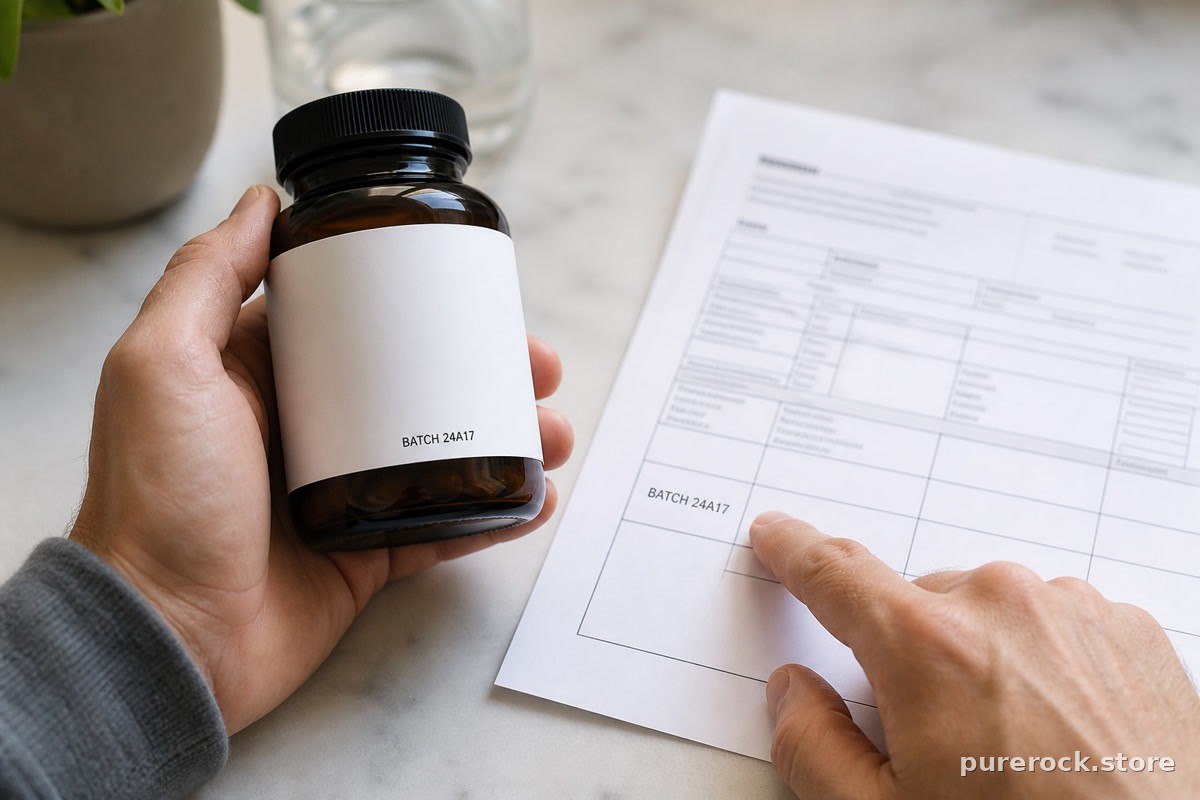
Shilajit resin doesn’t spoil the way perishable food does, but capsules, gummies, and liquid extracts have binders, gelatin, or flavoring agents that can degrade over time. Look for a printed expiration date and, ideally, a batch or lot number — the same lot number that a COA, if one exists, should reference. A listing or package with no batch information gives you no way to connect what you’re buying to any testing that was done.
Tamper-Evident Packaging
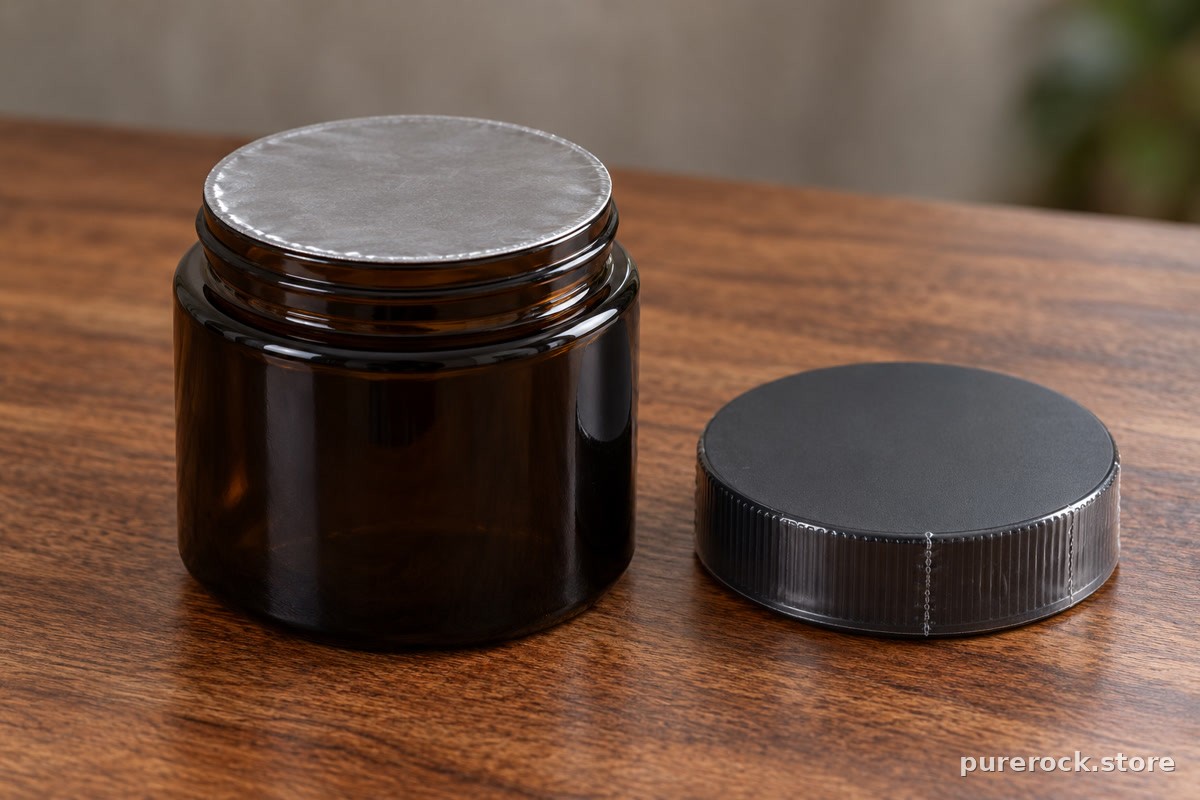
A shrink band, induction seal, or sealed pouch that shows clear signs if it’s been opened is a basic integrity check, especially relevant for a raw, unbranded-looking substance like shilajit resin that could otherwise be repackaged from an unknown source. Packaging that arrives loose, unsealed, or in generic containers with no manufacturer markings is a reason to pause, regardless of how the listing read.
The Ability to Request a Certificate of Analysis
This is the single most useful check across every channel. A legitimate manufacturer should be able to provide a current, batch-specific COA from an independent lab — covering heavy metals and microbial safety at minimum — either printed on the package via QR code, on their website, or on request through customer service. If a seller can’t produce this for a specific lot, or only offers a generic testing statement with no lab name or date attached, that’s a meaningful gap no matter how convenient the channel was.
Clear, Non-Vague Sourcing Language
Sourcing claims for shilajit tend to cluster around geographic descriptors — the region a resin is said to be harvested from. Vague language like “sourced from the mountains” without a specific region, harvest process, or purification method described is a weaker claim than one that names an actual altitude range, harvesting season, or purification technique (such as sun-drying and multi-stage filtration versus solvent extraction). This doesn’t mean every vague listing is dishonest — plenty of small operations simply haven’t invested in detailed copywriting — but specificity is a reasonable proxy for a seller who actually knows and controls their supply chain, versus one reselling an unknown upstream product under a private label.
Ingredient List Transparency for Non-Resin Forms
If you’re buying capsules, gummies, or a liquid extract rather than raw resin, the ingredient list deserves the same scrutiny as the shilajit claim itself. Fillers, binders, and flavoring agents are normal and not inherently a problem, but a listing that discloses the full excipient list lets you check for allergens and confirms the product isn’t relying on proprietary blend language to obscure how much actual shilajit extract is in each serving. “Proprietary blend” without a milligram breakdown of the shilajit component specifically is a common way for a weak formulation to look stronger than it is.
Why Price Alone Is a Risky Filter
It’s tempting to treat price as a shortcut for quality, but shilajit specifically resists that shortcut. Genuine, properly purified shilajit involves a harvesting and purification process that has a real cost floor — heavy-metal removal, in particular, is not free. A price that’s dramatically below the range for tested, purified shilajit is more often explained by skipped purification or filler content than by a seller simply passing on savings.
That doesn’t mean the most expensive option is automatically the most legitimate either — some of that premium is brand marketing, not testing rigor. The point isn’t “spend more,” it’s that price shouldn’t substitute for the checks above. A mid-priced product with a real, batch-specific COA is a better bet than a cheaper one with none, and a better bet than an expensive one that also has none.
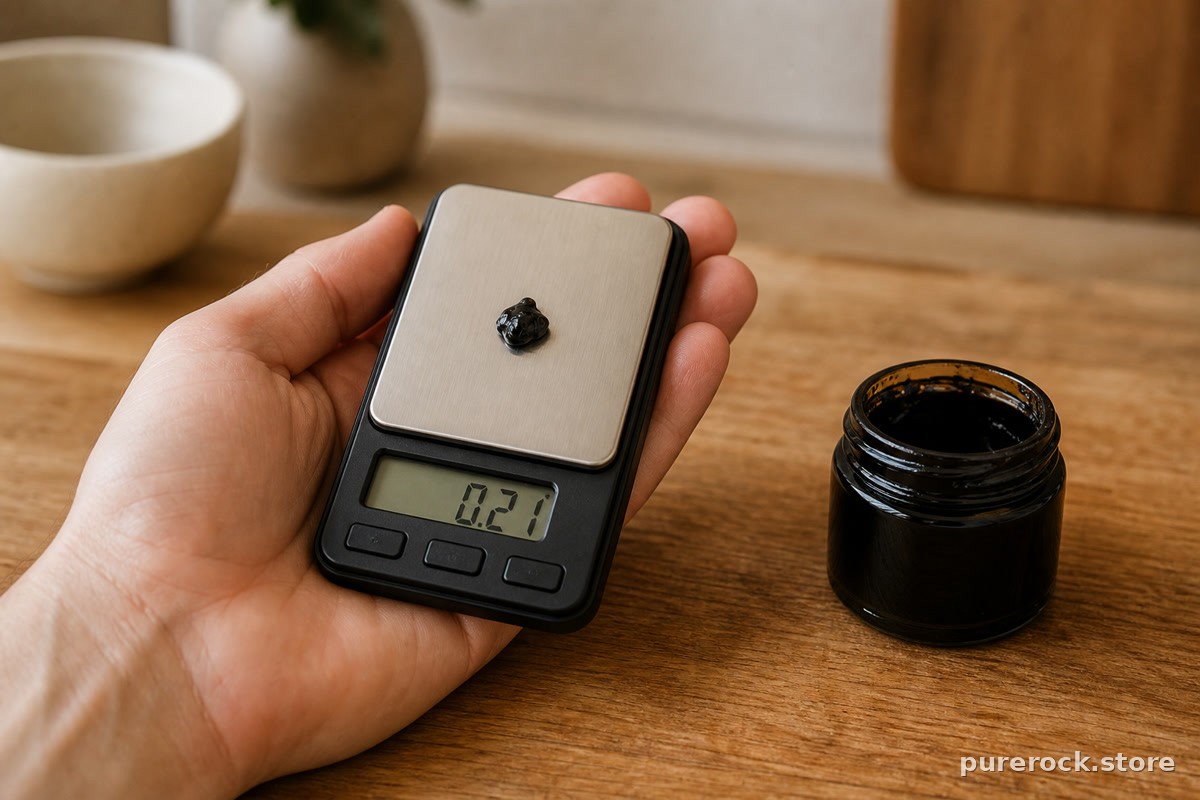
It also helps to compare price on a per-gram or per-serving basis rather than per-bottle, since resin, capsule, and gummy formats pack very different amounts of actual shilajit extract per serving. A capsule product and a resin jar priced similarly per bottle can differ by a wide margin once you account for how much extract each actually delivers per day, so a straight bottle-to-bottle price comparison across formats can be misleading even when you’re comparing two legitimately tested products.
Putting It Together
There’s no single “correct” channel to buy shilajit from. In-store retail gives you physical inspection but limited selection and information. Online marketplaces give you selection and price competition but weaker structural assurance about who’s actually fulfilling the listing. Direct-from-brand sites give you the most traceability but concentrate your trust in a single company’s own claims.
What doesn’t change across any of these is the checklist: a stated return policy, visible expiration and batch dating, tamper-evident packaging, and a seller who can produce a real, batch-specific Certificate of Analysis on request. Whichever channel you’re comfortable with, run the product through that checklist before price becomes the deciding factor — for an ingredient with shilajit’s documented adulteration and contamination risk, that verification step matters more than which storefront it came from.
FAQ
How do I find shilajit near me? Health-food stores, supplement chains, and some pharmacies stock shilajit, usually as capsules or gummies rather than resin. Before driving over, call ahead and ask two questions: which formats they carry, and whether staff can show you the batch number and a Certificate of Analysis for what’s on the shelf. A local store that can’t answer the second question gives you no more assurance than an anonymous online listing. It just means you can pick the jar up today.
Is it safer to buy shilajit in person than online? Not inherently — it’s differently structured, not automatically safer. In-person retail lets you inspect packaging and seals before paying, which online purchases don’t allow. But in-store selection is usually narrower, and staff generally can’t speak to a specific batch’s lab testing. A well-documented online listing with a real COA can be a safer purchase than an in-store product with no batch information at all.
What’s the biggest red flag across any purchase channel? The inability to get a batch-specific Certificate of Analysis. A seller who can point to a specific, dated, independently-run lab report for the lot you’re buying has demonstrated something concrete. A seller who only offers a general assurance like “we test our products” without naming a lab, a date, or what was tested for hasn’t demonstrated anything you can verify.
Does a higher price guarantee better quality? No. Genuine purification does have real costs that make extremely cheap shilajit suspicious, but price above that floor reflects a mix of testing rigor, packaging, and marketing spend — not testing rigor alone. Use price as a rough sanity check against unrealistically cheap listings, not as a stand-in for actually checking for a COA.
Can I tell if shilajit is adulterated just by looking at it? Not reliably. Some obvious signs exist — resin that’s unusually hard, gritty, or has a strong chemical odor rather than an earthy one can indicate a problem — but subtle adulteration with fillers or excess heavy metals generally isn’t visible or detectable by smell or texture. That’s exactly why the paperwork (COA, batch number, sourcing detail) matters more than a visual inspection for this particular ingredient.
Should I buy from the cheapest verified option or the most expensive one? Neither extreme is the goal. Once a product clears the checklist — return policy, batch dating, tamper-evident packaging, and an available COA — price becomes a reasonable factor to weigh against format (resin versus capsule versus gummy) and personal preference. The checklist is the filter; price is what you optimize after a product passes it, not before.
This is general educational information, not medical advice. Shilajit supplements are not evaluated by regulatory bodies the way pharmaceuticals are — talk to a healthcare provider before adding any new supplement to your routine, particularly if you’re pregnant, nursing, or managing an existing health condition.
Related Guides
- How to choose the best shilajit: a brand-free checklist.
- Shilajit price and cost per serving: how to compare costs fairly.
- How to read shilajit reviews: what reviews can and can’t tell you.