 Purerock
buying
Best Shilajit: A Brand-Free Way to Choose
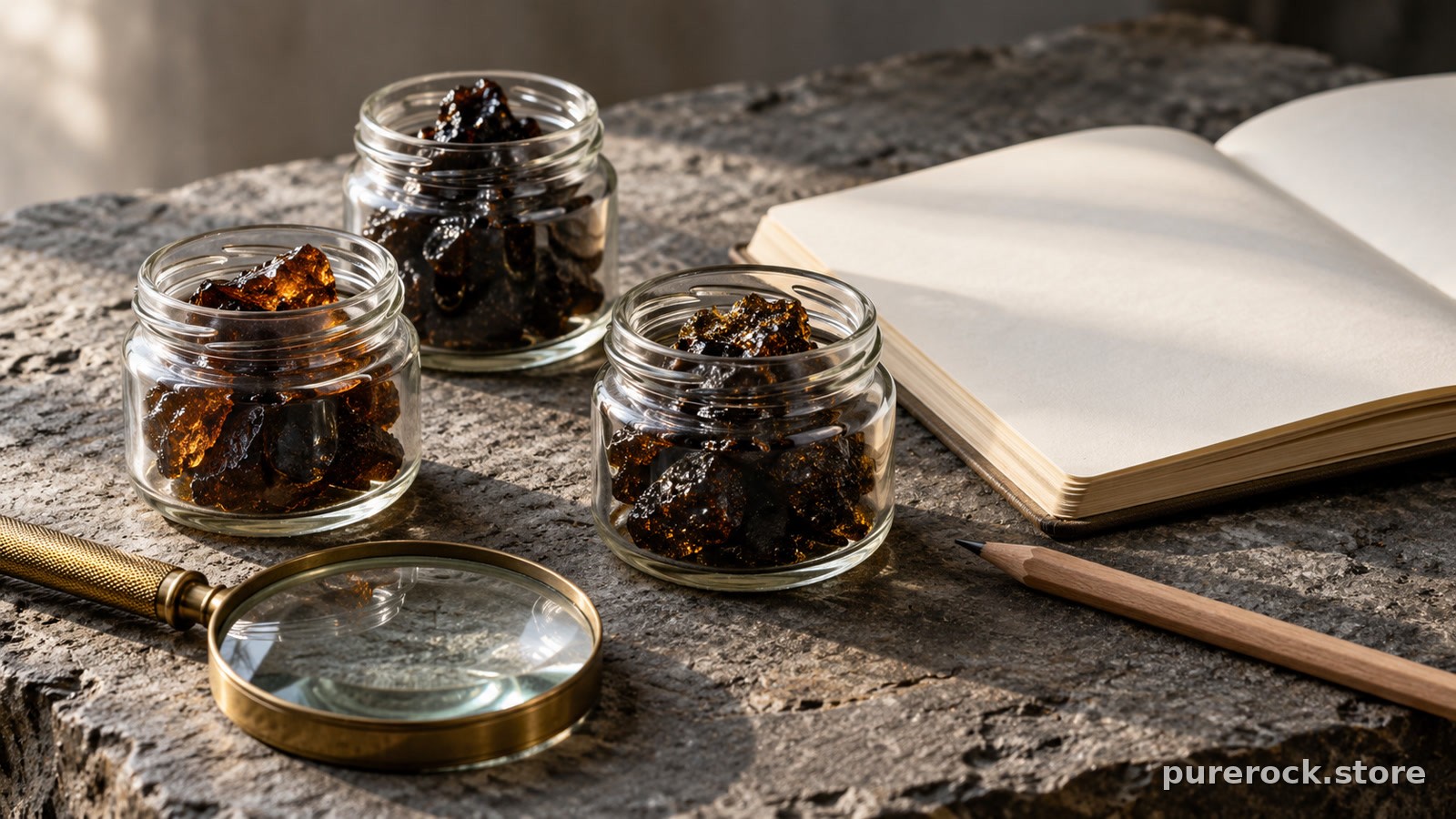
There is no single best shilajit, and this site will not name one. We do not sell products, take affiliate commissions, or rank brands, so there is no list of winners below. What you get instead is a way to decide: what proof a product needs to show, which form fits your situation, how to do the serving math, and a scoring checklist you can apply to any label in about five minutes.
This page is the shortlisting step. The supplement buying guide explains each documentation check in depth, and the guide to spotting fake shilajit covers physical tests for resin. This page tells you which of those checks to prioritize and how to compare candidates against each other.
Key Takeaways
- “Best” depends on your priority: documented safety, a specific fulvic acid dose, convenience, taste, or cost per verified serving. Different priorities point to different products.
- The strongest signals are batch-specific third-party results for heavy metals and a fulvic acid number that names its assay method. Reviews, packaging and origin stories are not evidence.
- Form is a trade-off, not a ranking. Resin, powder, capsules, gummies and honey sticks differ in dose control, convenience and what else is in the product.
- Always convert a label to milligrams of fulvic acid per serving. In one independent test of eight products, that figure ranged from 6.9 mg to 2,206 mg per serving.
- A product that cannot pass the minimum proof tests below should be removed from your list no matter how well it scores elsewhere.
Why This Site Does Not Rank Brands
A ranked list of shilajit products is only as good as the testing behind it. Shilajit is a natural exudate, so composition varies by batch, and a ranking based on one lot can be out of date by the next. Many “best shilajit” lists are built on affiliate commissions, which means the order can reflect payout, not lab results.
Independent testing does exist. ConsumerLab tested eight shilajit supplements in 2024 and reported that lead, cadmium, arsenic and mercury were beneath levels of concern for all products at a single daily dose. It also found that fulvic acid ranged from 6.9 mg to 2,206 mg per serving, that fulvic acid is typically not listed on labels, and that one product could not be approved because it contained far more fulvic acid than its label implied. A single test is a snapshot of those specific lots. A result like that is a reason to check each product yourself, not a reason to trust any brand permanently.
The regulatory backdrop is the other reason. The FDA states that it “does not have the authority to approve dietary supplements before they are marketed” and that it does not test supplements before they are sold. The same page says there are no laws limiting the amount of a dietary ingredient in a serving. The verification burden falls on you, which is why a framework is more useful than a list.
Step 1: The Minimum Proof Test
Before comparing anything else, a product must clear these gates. If it fails one, drop it from your shortlist.
1. A certificate of analysis tied to a lot number. You should be able to match the lot printed on the product you will receive to a lab report, either through a QR code, a lookup page or a document sent on request. A COA with no lot number, no lab name or no date is a decoration.
2. Heavy-metal results as numbers. Lead, arsenic, cadmium and mercury should be reported with measured values and the limit they were compared against. “Heavy metal tested” or a pass badge is a claim. Raw and processed shilajit can accumulate metals from geology and handling, and researchers have also flagged thallium: a 2025 study in BMC Chemistry (Kamgar et al., laboratory analysis of raw shilajit and commercial supplements) found it at up to 0.226 µg/g in raw material and up to 0.5 µg/g in supplements, with some supplements higher than the raw material. The authors called for regular monitoring. Thallium is not always included in standard panels, so a company that reports it is going beyond the basics.
3. A fulvic acid figure with a named method. A percentage alone is not enough, because different assays measure different things. A product that says “fulvic acid 60%” without saying how it was measured cannot be compared to one that does. Our fulvic acid explainer covers why methods disagree.
4. A traceable company. FDA rules require the label to carry the name and place of business of the manufacturer, packer or distributor, and a domestic address or phone number for reporting serious adverse events. If you cannot find that on the package, treat it as a failure.
Step 2: Pick a Form for Your Use Case
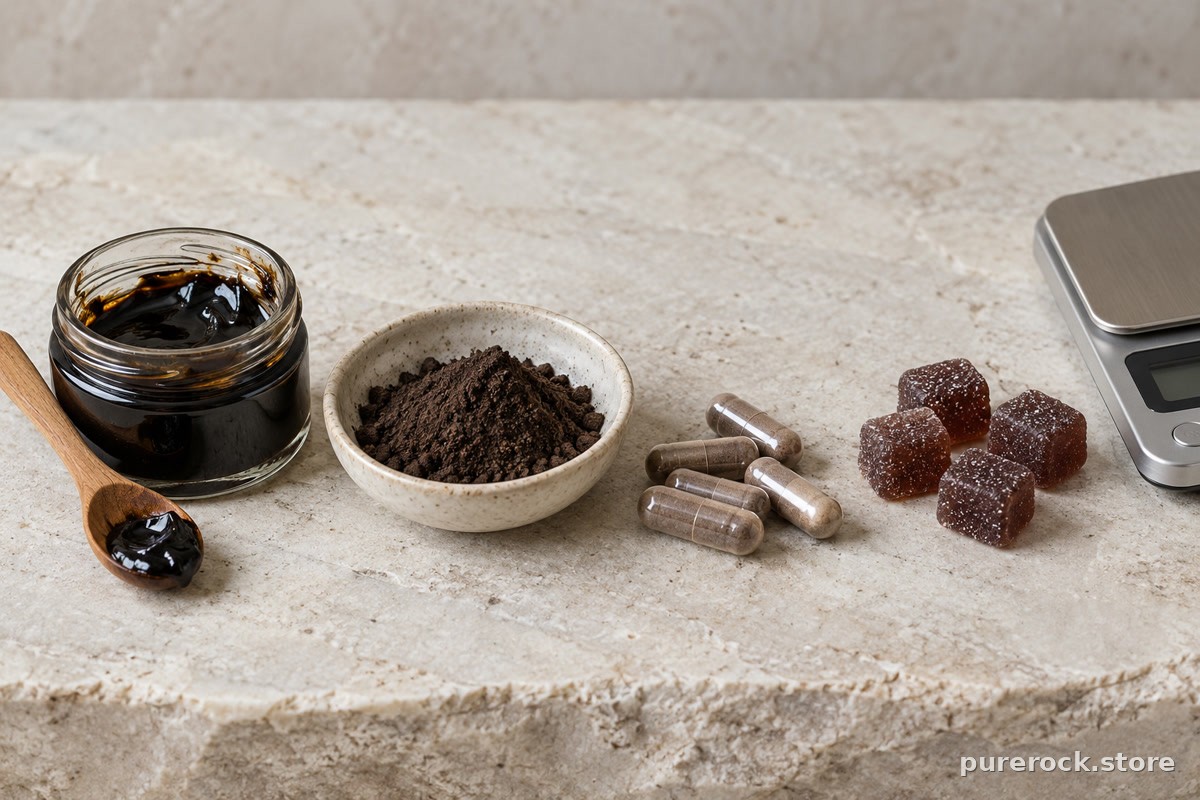
Form changes dose control, convenience, taste and what else you are swallowing. None of these is objectively best. The capsules vs resin vs gummies comparison goes deeper, and each format has its own guide.
| Form | Strength | Weakness | Choose if | Guide |
|---|---|---|---|---|
| Resin | Fewest additives; you control the serving | Dose is by eye or tiny scoop; strong taste; physical purity tests are only partial | You want a short ingredient list and will weigh servings | Resin guide |
| Powder or drops | Easy to mix; adjustable | Powders vary in what was dried and ground; drops are diluted | You want flexible serving size in drinks | Powder and drops |
| Capsules | Fixed, labeled amount; no taste | Fillers and capsule shell; often a standardized extract, not raw shilajit | You want consistency and travel convenience | Capsules guide |
| Gummies | Easy habit; pleasant | Sugar and binders dilute the active amount; lowest shilajit per piece | You will only take something you enjoy | Gummies |
| Honey sticks | Pre-portioned single servings | Honey adds sugar; blends can mask the shilajit amount | You want portioned servings without capsules | Honey sticks |
Do not assume a form predicts fulvic acid content. In ConsumerLab’s testing, resins contained far less fulvic acid than the extracts in capsules and pills. That does not make resin worse; it means a resin and an extract capsule are different products and must be compared in milligrams, not in the word “shilajit.”
Step 3: Do the Serving-Size Math
Labels sell you a jar or a bottle. What you consume is a serving. Convert every candidate to the same units before comparing.
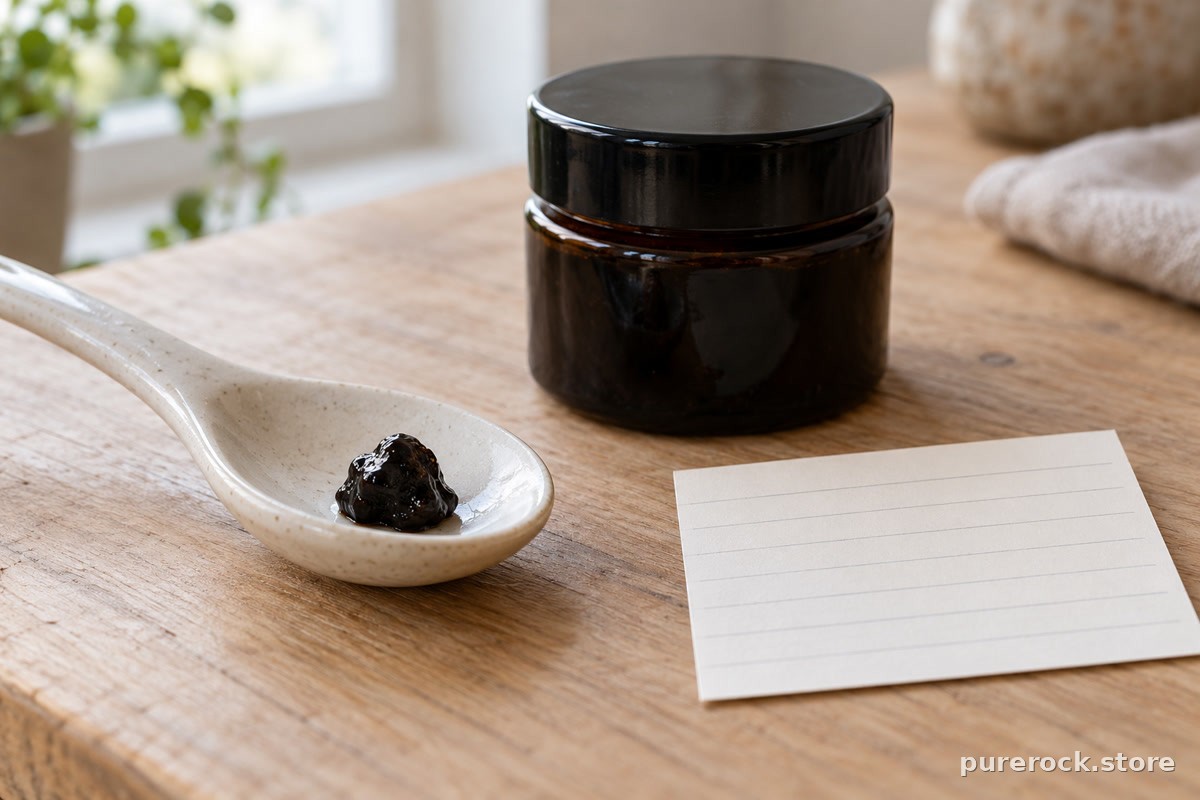
- Find the serving size in milligrams. For resin it may be a “pea-sized” amount, which is not a measurement; look for a gram weight or a scoop size, and weigh it if you can. For capsules, check whether the milligrams listed are shilajit or total fill.
- Find the fulvic acid percentage and its assay. Multiply serving mg by the percentage. A 300 mg serving at 30% is 90 mg of fulvic acid. A 1,000 mg serving at 50% is 500 mg.
- Check whether the percentage applies to the raw material or the finished product. Gummies and honey sticks are diluted, so a raw-material figure overstates what you actually get.
- Compare with what trials used, not what labels suggest. The dosage guide summarizes commonly cited ranges. Servings that vary by orders of magnitude, as in the ConsumerLab results, mean you cannot assume one jar equals another.
Once you have fulvic acid milligrams per serving for each candidate, you can also work out cost per serving, which our shilajit price page walks through with formulas.
Step 4: Sourcing Claims That Mean Something
Origin language is the easiest place for marketing to hide. Here is how to separate claims that are checkable from claims that are decorative.
| Claim | Usually meaningful | Usually marketing |
|---|---|---|
| Region | A named country or mountain range, matched to the COA or import documents | “Pristine peaks,” “ancient mountains” |
| Altitude | A specific range with the harvest region stated | “Harvested at the highest altitudes” |
| Purification | A described method, such as water extraction and filtration, with a statement about what is removed | “Triple purified,” “traditionally purified” with no steps |
| Facility | A named manufacturer with GMP certification you can look up | “Made in a GMP facility” with no name |
| Authenticity | Lab data tied to a lot | “100% authentic,” “Himalayan certified” |
No standard links altitude or region to potency. Our origin guide and the explainer on how shilajit is made cover what is known. Treat origin as a tie-breaker, never a substitute for a COA.
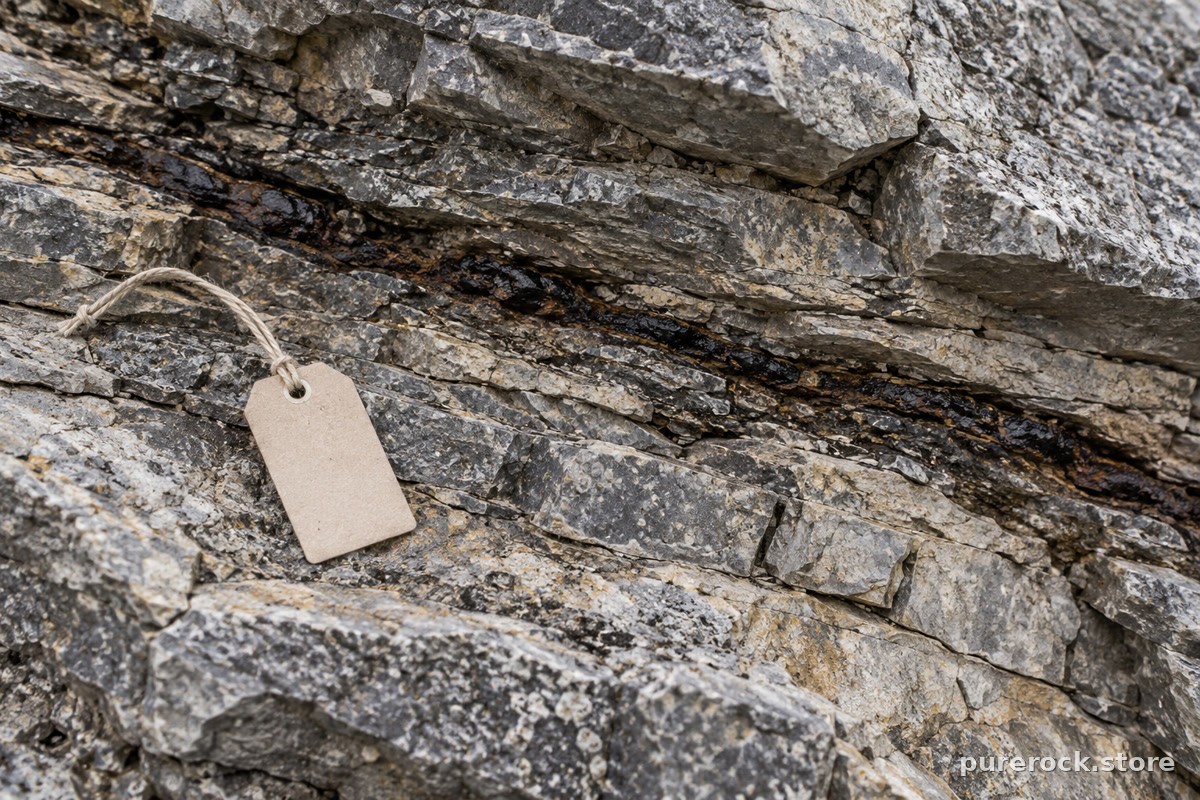
Step 5: Red Flags That Should Remove a Product
- No lot-specific COA, or a COA that does not match the lot on the product.
- A heavy-metal claim with no values.
- A “proprietary blend” that hides how much shilajit is in a serving.
- A fulvic acid claim with no method, or a figure that is a round number across every batch.
- Disease language such as treating, curing or preventing a condition. Under FDA rules, a supplement represented that way meets the definition of a drug.
- No findable manufacturer, or a seller that cannot be contacted.
- A star rating used as the main proof of quality. See how to read shilajit reviews for why.
A Decision Table: If Your Priority Is X, Look for Y
| If your priority is | Look for | Be cautious about |
|---|---|---|
| Lowest contamination risk | Lot-specific heavy-metal values, including thallium if reported; named accredited lab | Pass/fail badges; undated reports |
| A specific fulvic acid amount | Method-named assay on the finished product; mg per serving stated | Percentages with no method; raw-material figures on diluted products |
| Fewest additives | Resin or powder with a one-ingredient list | Resins with “natural flavors” or sweeteners; capsules with long excipient lists |
| Convenience and consistency | Capsules with a labeled shilajit extract amount per capsule | Fill weights that include non-shilajit ingredients |
| Taste and routine | Gummies or honey sticks with the shilajit amount per piece printed | Large sugar content; amounts hidden in a blend |
| Budget | Cost per verified milligram of fulvic acid, not price per jar | Prices far below the category norm with no documents |
| “Best for men” | The same proof criteria as everyone | Products that add testosterone-themed herbs; see side effects and interactions |
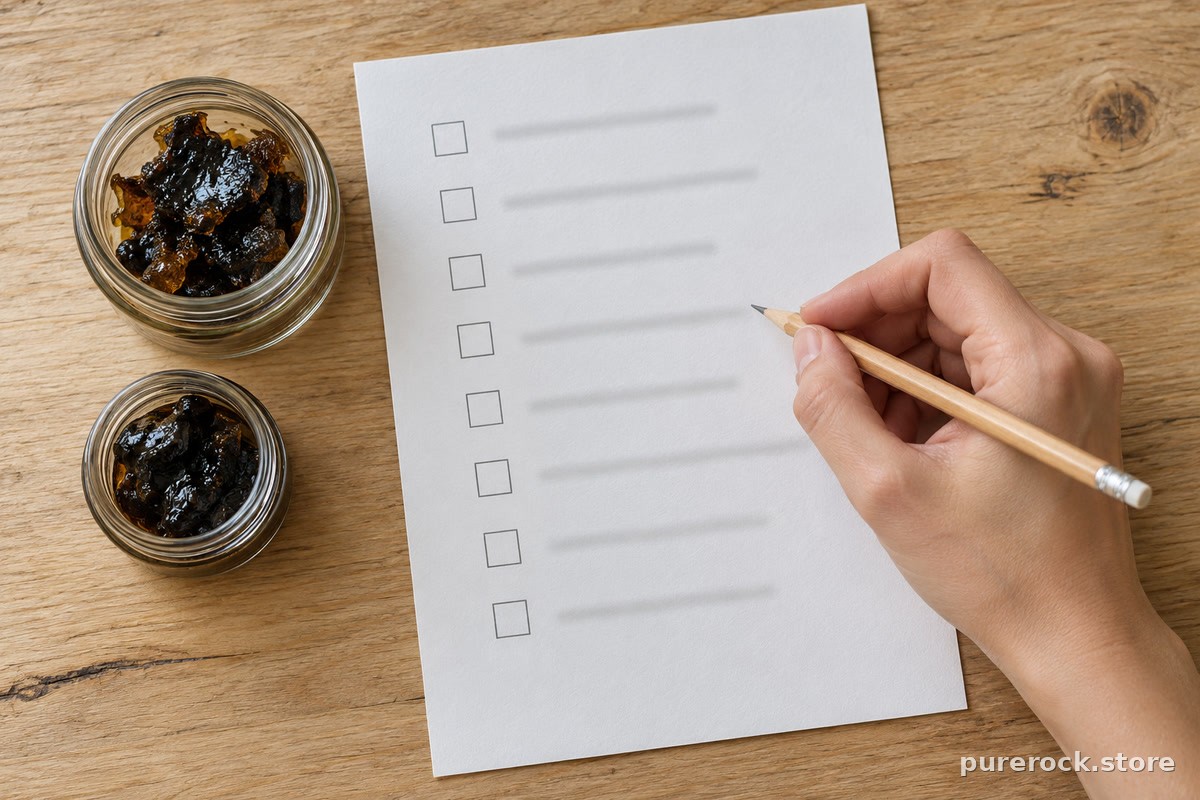
The 20-Point Scoring Checklist
Score each candidate. Give one point per “yes.” Anything below 12 is not ready to buy, and any product that fails an item marked with an asterisk is out regardless of score.
Proof (10 points)
- Lot number appears on the product label.*
- A COA matches that lot.*
- The lab is named and the report is dated.
- Lead, arsenic, cadmium and mercury are reported as values.*
- The limits used for comparison are stated.
- The report covers microbes.
- Fulvic acid is reported as a percentage.
- The assay method for fulvic acid is named.
- Results are for the finished product, not only the raw material.
- The report can be viewed before purchase, not only after.
Transparency (5 points) 11. Serving size is in milligrams. 12. Ingredient list is complete, no hidden blend. 13. Manufacturer name and address are on the label.* 14. Purification method is described. 15. Origin is named with a region.
Fit (5 points) 16. Form matches how you will actually take it. 17. Calculated fulvic acid mg per serving is in a range you chose with the dosage guide. 18. Added ingredients are ones you want. 19. Claims stay within “may support” language and cite studies. 20. Cost per verified serving is something you are comfortable with.
What Trials Tell You About “Best”
Clinical research is the one place where a specific, well-characterized shilajit extract has been tested at defined doses, and even there the results do not rank products. A 2019 randomized, placebo-controlled trial in the Journal of the International Society of Sports Nutrition (Keller et al.) gave 63 recreationally active young men 250 or 500 mg per day of a manufacturer-funded purified extract, described as at least 50% fulvic acid, or placebo for eight weeks. The reported effects were limited to some subgroups and measures of muscular fatigue. That study tells you what that extract did in those participants; it does not tell you a store-bought product contains the same thing. For most buyers, the practical use of trial data is to anchor dose and quality expectations, not to pick a product. See is shilajit legit for how to weigh the evidence.
When to Talk to a Doctor First
Shilajit is a mineral-rich natural material with documented contamination risk, so it is worth checking with a healthcare provider if you take medication, are pregnant or nursing, have a condition affecting your iron, kidneys or blood pressure, or are choosing a product marketed for a medical purpose. Contaminant testing lowers risk but does not remove it. The side effects page covers who should avoid it and known interactions.
FAQ
What is the best shilajit brand?
This site does not rank brands, because any ranking would reflect one batch at one moment and most “best brand” lists are affiliate-driven. Use the proof test and checklist above on any brand you are considering. A brand that scores well across several lots and publishes its testing is a better bet than one that wins a list.
What is the best shilajit resin?
The best resin for you is the one with a matching lot-specific COA, a named fulvic acid assay and a short ingredient list. Resin gives you the fewest additives but the least precise dosing. If precision matters more than purity of ingredient list, a standardized capsule extract may suit you better.
Which form of shilajit is best for men?
Nothing in the evidence suggests a form is better for men. The criteria are the same: verified safety testing, clear dosing and no unwanted added herbs. Beware of products that bundle testosterone-themed ingredients, which change what you are taking.
Is expensive shilajit better?
Not reliably. Price loosely reflects real costs such as purification and testing, but it does not prove either. Compare cost per verified milligram of fulvic acid instead; our price guide shows how, and the where to buy guide covers retail channels.
Bottom Line
There is no universal best shilajit, only products that clear the minimum proof test and fit your priority. Start by removing anything without a lot-specific COA, measured heavy-metal values, a named fulvic acid assay and a findable manufacturer. Then choose a form for how you will really take it, convert each candidate to fulvic acid milligrams per serving, and score what is left. Where the checklist leaves two products close, let documentation and dose clarity decide, not price or reviews, and check with your doctor if you take medication or have a health condition.