 Purerock
purity
What Is Shilajit? Definition, Origin, and Evidence
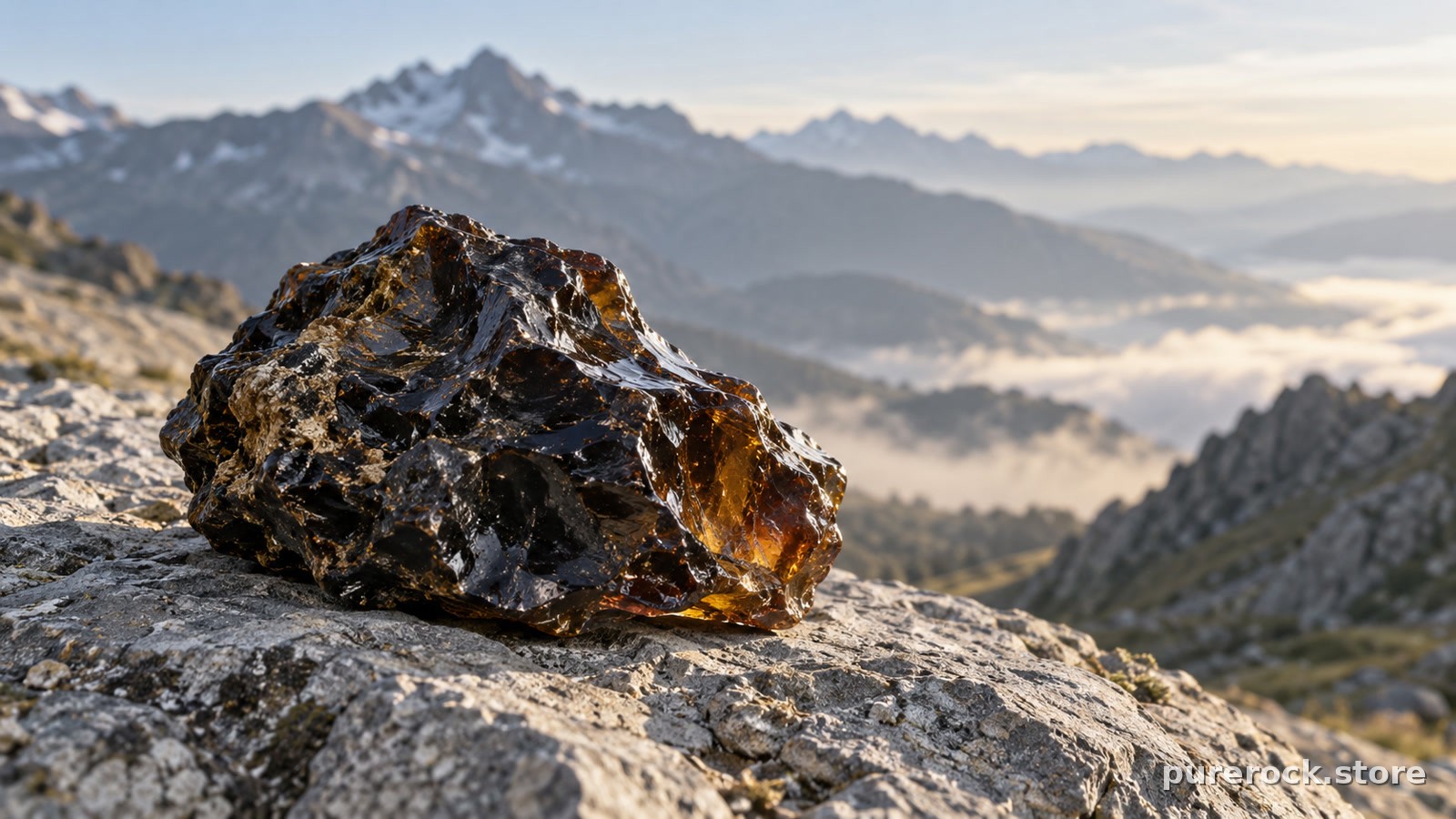
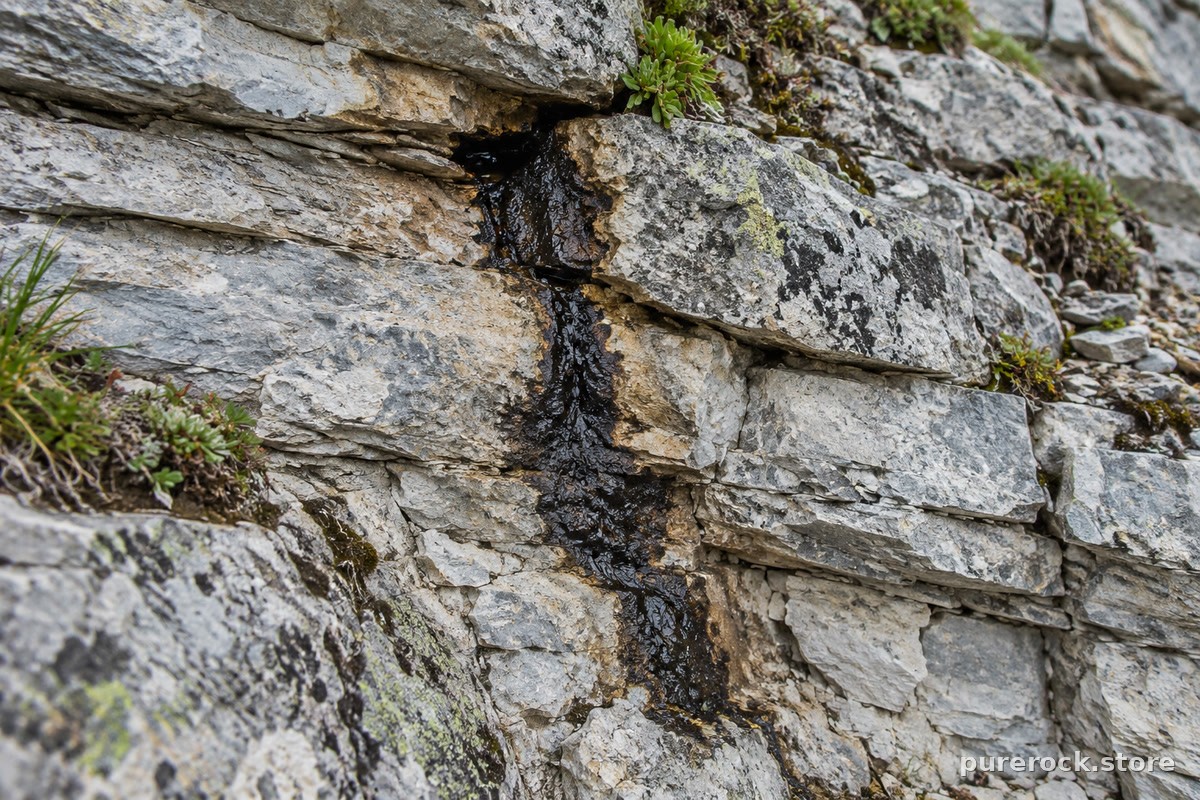
Shilajit is a dark, sticky, tar-like substance that seeps out of rock layers in high mountain ranges, most famously the Himalayas. Chemically it is a mixture of decayed organic matter (mostly “humic substances,” including fulvic acid) and minerals, and it has been used for centuries in Ayurveda as a “rasayana,” or rejuvenating tonic. Modern human research is small and mostly limited to a few purified extracts. Where it comes from and how it’s processed matter for safety.
Key Takeaways
- Shilajit is a natural exudate from mountain rock, made largely of humic substances plus minerals. Its exact chemistry varies from source to source.
- Its origin isn’t settled. Researchers disagree on whether it comes mainly from decayed plants, microbial activity, or the rock itself.
- Traditional use (Ayurveda, Siddha, and related systems) is long. Modern evidence is limited to a handful of small trials, several tied to the extract’s manufacturer.
- Raw shilajit can carry heavy metals and other contaminants, so purification and lab testing matter more than the origin story on a label.
- “Shilajit” on a product can mean resin, powder, capsule, gummy, or honey stick, and the amount of active material differs widely between them.
The Short Definition
Shilajit (also spelled shilajeet, silajit, or shilajatu, and called mumie, mummiyo, or asphaltum in other traditions) is a pale-brown to blackish-brown exudate that oozes from layers of rock in many mountain ranges, especially the Himalayas and Hindu Kush. A 2007 review in Phytotherapy Research (Agarwal et al.) describes it as a complex mixture of organic humic substances and plant and microbial metabolites found in the rock rhizosphere. In plain terms: very old, heavily decomposed organic material that has mixed with minerals and been squeezed out of rock over time.
The word is Sanskrit in origin. People often translate it loosely as “conqueror of mountains” or “rock-dweller.” A 2010 review (Meena et al.) gives “conqueror of mountains and destroyer of weakness” as the Sanskrit meaning, but treat it as a traditional gloss, not a technical definition.
Where Does Shilajit Come From?
Shilajit is reported in roughly 20 regions of the world (Hussain and Saeed, 2024 review), usually at high altitude. A 2026 chemistry study in Scientific Reports (Kamgar et al.) analyzed samples from Iran, India, Nepal, Russia, and Kyrgyzstan. Country names matter less than they sound. Our guide to Himalayan shilajit origin claims covers why a label saying “Himalayan” can’t be checked by a buyer.
How it is collected and processed into the resin sold today is covered in how shilajit is made.
How Does Shilajit Form?
Nobody knows for certain. A 2025 review in Critical Reviews in Analytical Chemistry (Kamgar et al.) states that its source “is not known” and notes that some researchers think it forms from dead plant residues or animal excrement, while others think it is a mineral secreted gradually from rock.
The most commonly cited explanation is slow humification: plants (and possibly mosses, lichens, and microbes) decay in rock crevices, pressure and time transform them, and minerals from the surrounding rock mix in. The 2026 phenolic acid study quantified nine plant-derived phenolic acids, led by gallic acid, across eleven samples, and its authors read that as molecular evidence for a plant-based origin. That is one lab group’s interpretation of eleven samples, not a settled mechanism.
Be wary of any page that states a precise formation story, such as a specific age or the exact plants involved, without citing analysis. The honest answer today is “decayed organic matter plus minerals, mechanism incompletely understood.”
What Is Shilajit Made Of?
Raw shilajit is a mix of organic and inorganic material. Published estimates, which differ by sample and method, include:
- Humic substances: The 2025 chemistry review reports more than 80% of shilajit by weight is humic substances, though estimates differ by sample and method.
- Fulvic acid: One subset of humic substances. A 2018 review (Winkler and Ghosh) says shilajit contains about 15 to 20% fulvic acid.
- Minerals: The 2025 review reports about 20% of the weight is calcium, potassium, and magnesium, along with amino acids, proteins, fatty acids, and phenolic compounds such as caffeic and gallic acid.
- Dibenzo-α-pyrones (DBPs): Small aromatic compounds, also called urolithins in some papers, that researchers often name as a key active constituent.
- Trace and toxic metals: Both beneficial minerals and unwanted metals appear in analyses.
This is a summary. For constituent-by-constituent numbers, source-to-source variability, and what a lab report should show, read our deep dive on shilajit composition. For the fulvic acid question specifically, see shilajit vs fulvic acid.
Shilajit Terms, Decoded
Product pages use these words as if everyone agrees on them. They don’t.
| Term | What it means | Caveat |
|---|---|---|
| Humic substances | The broad class of dark organic material left from decayed plants and microbes | Defined by how it behaves in a lab procedure, not by one structure |
| Fulvic acid | The part of humic material that stays dissolved in both acid and alkaline solution | Amount on a label depends on the measurement method |
| Humic acid | The part that dissolves in alkaline but not acidic solution | Rarely listed on consumer labels |
| Dibenzo-α-pyrones (DBPs) | Aromatic compounds found free and bound to protein-like carriers; related to urolithins | Standardization is rare outside a few extracts |
| Resin | The soft, tar-like form of purified shilajit sold in jars | Not the same as an “extract” |
| Extract | Resin or raw material processed into a concentrated, often dried form | The concentration method and solvent are rarely stated |
| Rasayana | An Ayurvedic category of “rejuvenating” substances | A traditional framework, not a clinical outcome |
| Purified shilajit | Raw material that has been cleaned of rock and organic debris | “Purified” has no regulated definition for supplements |
What Is Shilajit Used For?
Traditionally, shilajit is classed as a rasayana. A 2011 review in the Journal of Ethnopharmacology (Wilson et al.) says shilajit is “aptly referred to as rasayana” in Ayurveda and Siddha literature, meaning rejuvenator. It found shilajit in twenty classical formulations and twenty-four proprietary drugs, but also concluded that its bioactivity “lacks substantial evidence” and that its immune-modulating effect should be considered unproven.
Today it is sold as a general vitality, energy, and “mineral” supplement, and marketed toward men and women alike. Those are marketing categories. What has been studied in people is narrower, and we cover it below.
Forms: Resin, Powder, Capsule, Gummy, Honey Stick
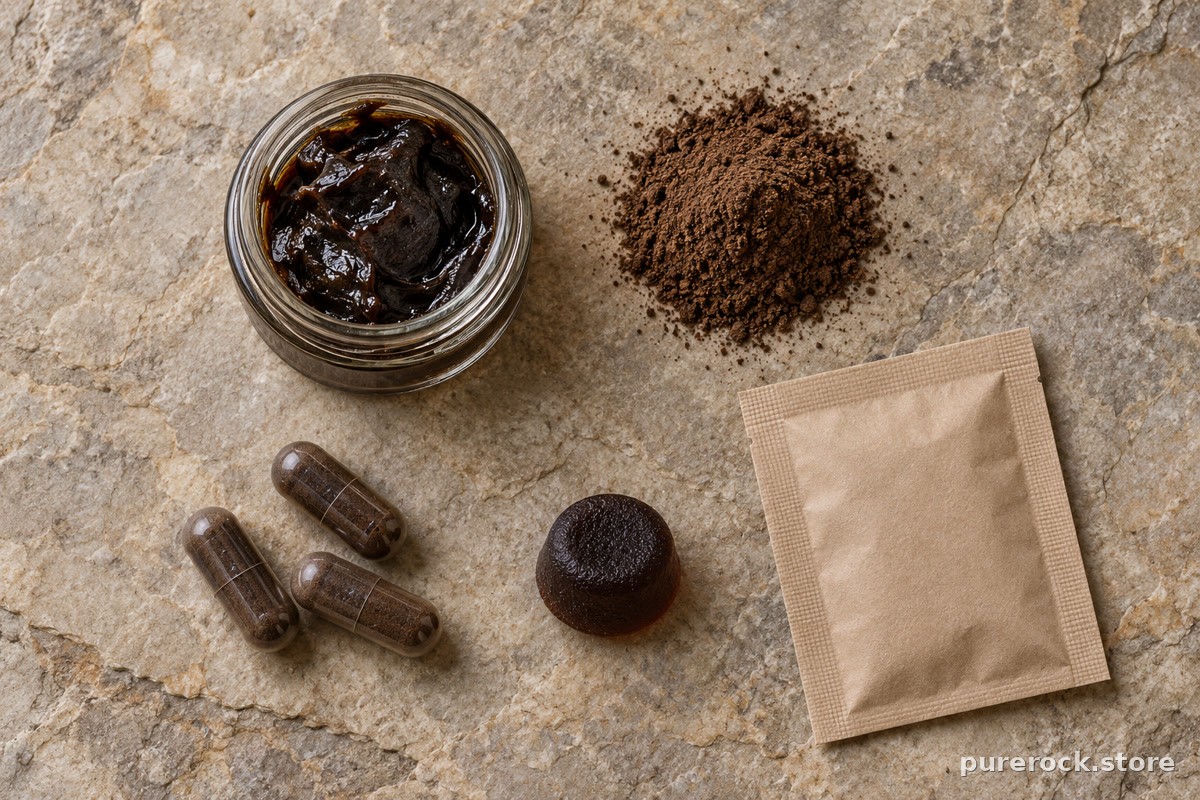
Same word, very different products:
| Form | What it usually is | Where to read more |
|---|---|---|
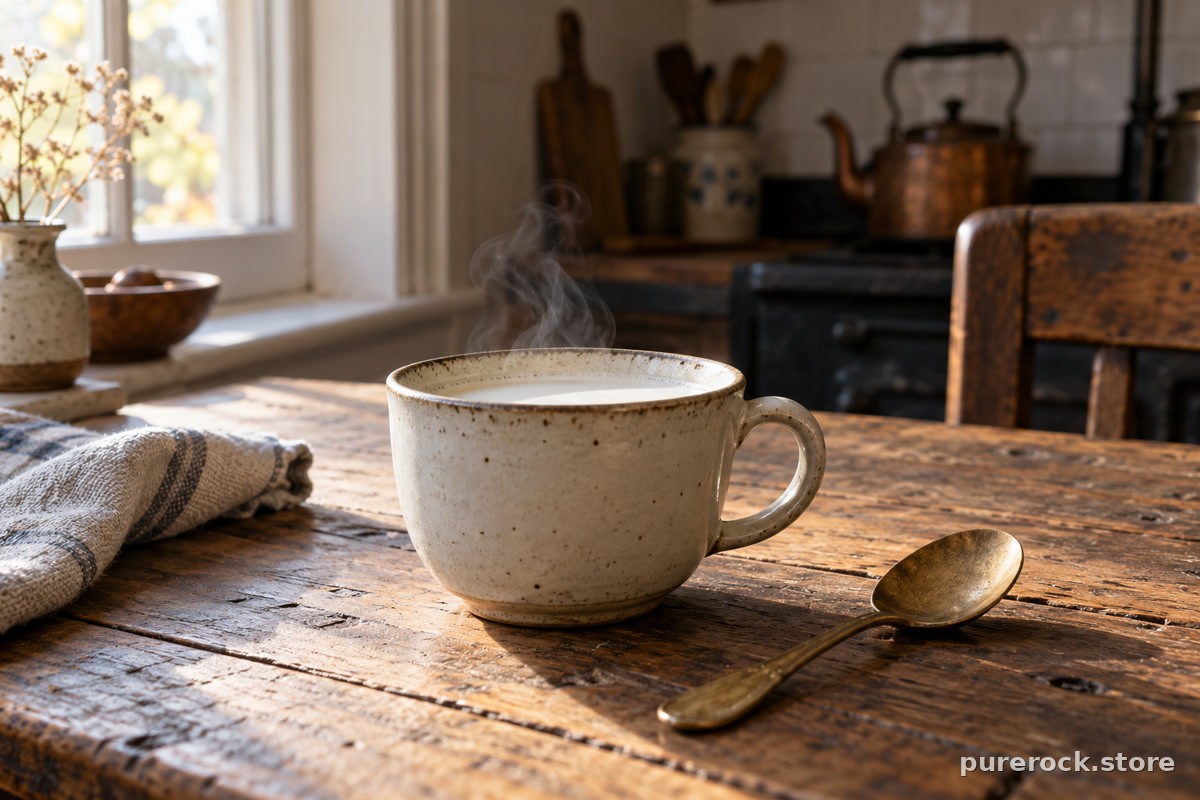
| Resin | Soft, sticky purified material dissolved in warm water or milk | Resin guide |
| Powder or drops | Dried or concentrated material; drops are typically a liquid dilution | Powder and drops |
| Capsule or tablet | Usually a dried extract, sometimes standardized | Capsules guide |
| Gummy | Shilajit plus sugar or sweetener, pectin, and flavoring | Gummies compared |
| Honey stick | Single-serve sachet of shilajit blended with honey | Honey sticks |
A consumer testing group found that, among eight products tested in 2024, resins contained far less fulvic acid than extracts in capsules and pills, and that fulvic acid ranged from 6.9 mg to 2,206 mg per serving. Fulvic acid isn’t a measure of quality in itself, but the range shows that “one serving of shilajit” can mean very different things.
How It’s Traditionally Taken vs. How It’s Studied
Traditional use involves processed shilajit taken in small amounts, and practices vary by tradition and practitioner. Classical texts and traditional formulations aren’t dosing studies, and the trials below used purified extracts, not traditional preparations.
Modern trials use purified, standardized extracts in capsules at fixed doses:
- A 2016 randomized, double-blind, placebo-controlled trial in Andrologia (Pandit et al.) gave purified shilajit 250 mg twice daily for 90 days to healthy men aged 45 to 55.
- A 2019 trial (Keller et al.) tested 250 or 500 mg per day for eight weeks in 63 recreationally active young men, using an extract standardized to at least 50% fulvic acid and 10% DBPs. The project was funded by the extract’s manufacturer.
- A 2022 trial in Phytomedicine (Pingali and Nutalapati) gave 250 or 500 mg per day for 48 weeks to 60 postmenopausal women with osteopenia.
Those doses came from specific extracts and don’t transfer to a resin or gummy. For practical guidance, see the dosage guide and talk to your doctor.
What the Evidence Does and Doesn’t Show
A 2014 review (Stohs) noted that relatively few well-controlled human studies had been conducted and called for more trials with standardized products. Since then, a few more small trials have appeared. The main limits remain: small samples, short durations, single extracts, and frequent manufacturer ties.
| Evidence level | What exists for shilajit |
|---|---|
| Human randomized trials | A few small trials of purified extracts (testosterone in middle-aged men, muscle fatigue, bone density) |
| Human open-label or observational | Limited |
| Animal studies | Many, across several outcomes |
| Lab (cell) studies | Many, hard to apply to oral supplements |
| Traditional use | Long, but not evidence of effect |
Where to go next:
- Shilajit benefits maps each claimed benefit to the research behind it.
- Does shilajit work? goes trial by trial.
- Is shilajit legit? grades the evidence in tiers.
- Shilajit side effects covers who should avoid it.
Raw vs. Purified, and the Heavy-Metal Question
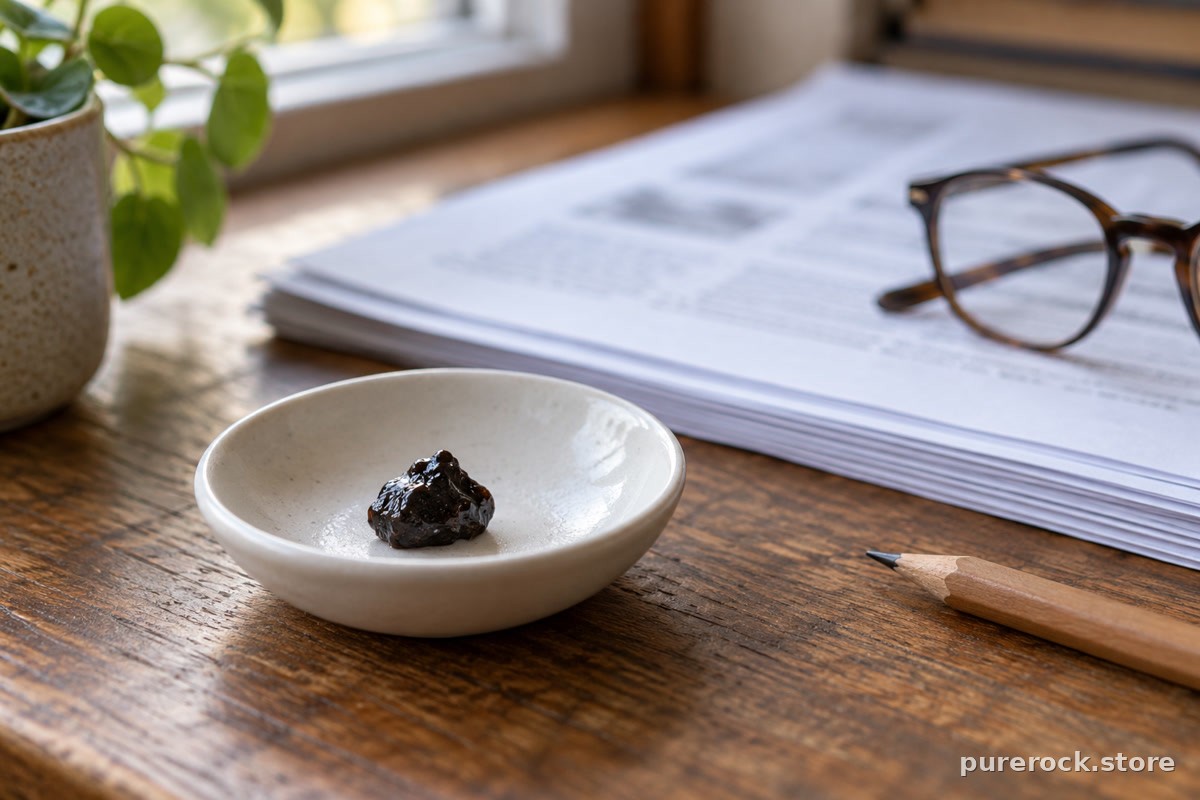
Raw shilajit comes from rock and soil, and it picks up what’s there. The Hussain and Saeed review reports that shilajit has been found to contain around 65 metals, including toxic ones such as lead, arsenic, cadmium, and mercury, though levels in most studies were below WHO and FDA limits for herbal drugs, except in a few studies where limits were exceeded. A 2022 study in Biological Trace Element Research (Aldakheel et al.) tested two kinds of shilajit, one from India and one from Pakistan, using three techniques and reported several toxic elements above permissible limits.
A 2025 BMC Chemistry study found thallium up to 0.226 µg/g in natural shilajit and up to 0.5 µg/g in supplements, and some supplements had more thallium than raw material. In contrast, the 2024 consumer-testing report found lead, cadmium, arsenic, and mercury beneath its levels of concern in all eight products, at one dose a day. Results clearly vary by product.
That is why “purified” is not a guarantee, and why a third-party lab report is worth asking for.
How to Choose a Product
Without naming products, the criteria that matter are:
- A recent, batch-specific lab report covering lead, arsenic, cadmium, mercury, and ideally thallium.
- A clear statement of form and amount per serving (mg of shilajit or extract, not just a “blend”).
- Disclosure of what “fulvic acid %” means and how it was measured.
- Realistic claims, with no promise to treat or cure anything.
Our buying guide gives the full checklist, and how to spot fake shilajit explains why home tests (flame, water, thread) don’t prove purity. A criteria-based roundup lives in best shilajit.
FAQ
What does “shilajit” mean?
It comes from Sanskrit and is often translated as “conqueror of mountains” or “rock-dweller,” though that is a traditional gloss rather than a technical definition. In English, the word names a mineral-rich organic exudate from mountain rock.
Is shilajit a mineral, a plant, or a resin?
It’s none of those exactly. Chemically it is mostly humic substances (decayed organic matter) with minerals, and it is sold in resin-like form. Researchers still debate whether plants, microbes, or rock chemistry contribute most.
Is shilajit safe to take?
Documented concerns are mainly contamination (heavy metals) in poorly processed material. A 2014 review concluded that safety has been “well documented” in animal and human studies, but those studies used specific standardized products. People who take medication or have a medical condition should check with their doctor first.
Is shilajit the same as fulvic acid?
No. Fulvic acid is one fraction of the humic material in shilajit, and it can also be extracted from coal or peat. See shilajit vs fulvic acid.
Is there good proof that shilajit works?
Not yet by the standard most medicines are held to. There are a few small randomized trials of purified extracts, and a larger body of animal and lab work. Does shilajit work? goes through the results.
Bottom Line
Shilajit is a mountain-rock exudate made mostly of decayed organic matter and minerals, with a long place in Ayurvedic tradition and a short list of small modern trials. Its origin and exact chemistry vary, and what’s known about both is still being worked out.
If you’re considering it, treat form, purification, and a batch lab report as the deciding factors, and check with your doctor first if you take medication or have a condition.